WPC Wall Cladding Manufacturer: How to Vet One Before Your Facade Project
10th October, 2026WPC Wall Cladding Manufacturer: How to Vet One Before Your Facade Project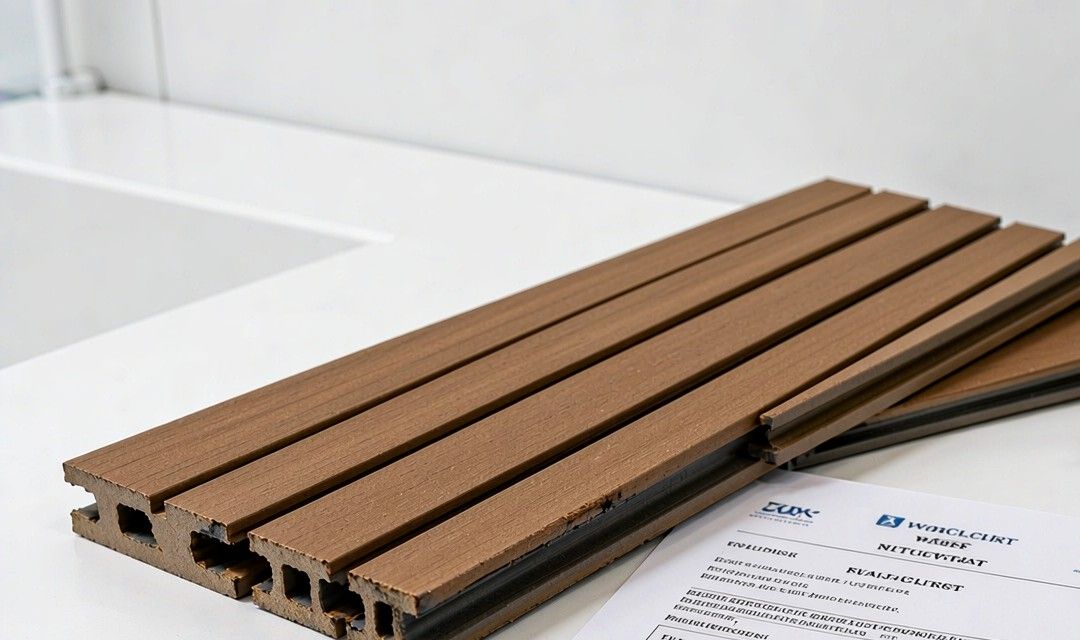
Choosing a WPC wall cladding manufacturer is the single highest-leverage decision in a facade project. The boards may look identical in samples, but the factory behind them determines fire documentation, batch color consistency, system details, and whether a phased project can be matched two years later. This guide covers the seven checks that separate genuine wall cladding manufacturers from traders relaying promises — and what evidence to demand for each.
Check 1: In-House Extrusion, Not Outsourced Boards
A wall cladding manufacturer runs its own extrusion lines. This is not corporate trivia — it determines everything downstream:
- Batch consistency: factories control density, profile tolerance, and pigment mixing per run, so elevation panels match across shipments.
- Custom profiles: architectural projects routinely need adjusted profiles or exclusive board widths; only a manufacturer can tool for them.
- Problem resolution: when a board question arises, factories answer from production records; traders escalate to someone you will never meet.
The test question: "Can I see your extrusion line — in person or on video?" Manufacturers say yes. Everyone else changes the subject.
Check 2: Fire Classification Documentation for the Installed System
Facade fire behavior is the first filter in most building codes, and the paperwork must match:
- Line-specific reports: the fire classification must name the product line and be tested as an installed system (e.g., EN 13501 classes in Europe or the regional equivalent) — not a generic material claim.
- Report, not datasheet: ask for the test report itself, with the lab's name and date.
- Code match: confirm the classification fits your building's use and height class.
A wall cladding manufacturer with documented production provides these without hesitation; hesitation here is disqualifying regardless of how the boards perform.
Check 3: Rainscreen System Details, Not Just Board Cross-Sections
Water management decides how a facade ages. A serious manufacturer supplies the full build-up documentation:
- Substructure compatibility: aluminum or WPC sub-framing specs, with corrosion ratings for the project's exposure
- Cavity and drainage logic: ventilated gap dimensions and how water exits
- Fixing details: concealed clip systems with movement allowances derived from documented expansion coefficients
- Joint spacing tables: derived from the project's temperature range, not generic gaps
If the technical file contains only board dimensions, you are looking at a board seller, not a system supplier.
Check 4: UV Stability and Batch Color-Matching Guarantees
Color drift reads instantly on large elevations. Three documents matter:
- Color-fastness testing references for the specific pigment system
- Batch-to-batch color tolerance figures, stated numerically
- A written batch reproduction commitment covering your project's later phases — the clause that decides whether phase two matches phase one
For phased construction, ordering each elevation's material in single production runs, with the guarantee in writing, is standard practice with vertically integrated manufacturers.
Check 5: Certifications That Name the Product Line
[[IMG:3]]
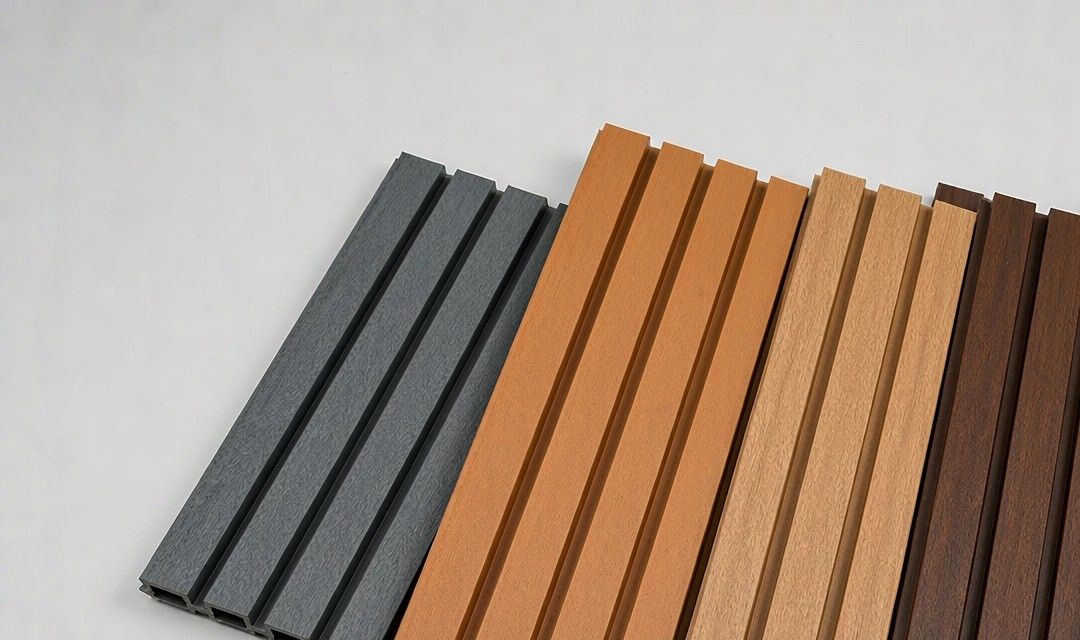
CE marking or regional equivalents must name the specific cladding line, supported by third-party test reports (SGS or equivalent) for fire, water absorption, and mechanical properties. Certificates naming only the company prove nothing about the boards you will receive.
Check 6: Aged Commercial References
Ask for facade projects in climates comparable to yours, with ages — a three-year-old hospitality or mixed-use installation tells you more than any datasheet. Where possible, view the older elevations: how the joints, colors, and fixing lines have actually aged is the manufacturer's real quality report.
Check 7: Supply Continuity for Multi-Phase Work
Production capacity confirmation, realistic lead-time windows for standard and custom runs, and reorder rights on best-selling profiles for an agreed period — the three terms that keep a phased facade on schedule. Manufacturers publish lead-time tables; intermediaries estimate.
Frequently Asked Questions
What should a WPC wall cladding manufacturer provide?
Line-specific fire reports, full rainscreen system documentation, UV and color-matching data, third-party certifications naming the product line, aged project references, and written supply continuity terms.
How do I verify a manufacturer is really a factory?
In-house extrusion lines (visit or video), production records behind every answer, tooling capability for custom profiles, and lead-time tables rather than estimates.
Why does batch color matching matter for facades?
Large elevations show color drift instantly, and phased projects need later shipments to match earlier ones — only a written batch reproduction guarantee covers that.
Can cladding manufacturers supply substructure too?
Serious ones specify and often supply compatible substructure systems — the alternative is mixing warranties across two suppliers for one facade.
The Bottom Line
Vetting a wall cladding manufacturer is a documentation exercise: extrusion evidence, fire reports for the installed system, full build-up details, color guarantees, and aged references. Every item on this list is something a real factory can produce in days. Set the bar there, and the facade project inherits the manufacturer's discipline.
As an experienced WPC outdoor product manufacturer, NatureTough manufactures wall cladding with line-specific certifications, concealed-fixing rainscreen systems, and batch-matched supply for phased projects — explore the cladding range.