Wholesale Composite Decking: Pricing, MOQ & Container Loads Explained
2nd November, 2026Wholesale Composite Decking: Pricing, MOQ & Container Loads Explained
Wholesale composite decking quotes look simple on the surface: a price per square meter, a minimum order quantity, a lead time. The reason buyers get burned is that all three numbers hide more than they reveal. The per-square-meter price is meaningless without knowing which profile, which co-extrusion spec, and which color tier it refers to. The MOQ is meaningless without knowing whether it applies per color or per order. And the container math is where most first-time importers leave real money on the table.
If you are stocking composite decking for the first time — or consolidating an existing range — this guide breaks down how wholesale pricing, MOQs, and container loads actually work, so you can compare quotes like a professional.
What Actually Drives Wholesale Decking Pricing
Ask a supplier for "decking price" and you will get a number that means almost nothing. A proper wholesale quote is a function of at least five variables:
1. Profile and wall structure. Solid, hollow, and co-extruded boards cost differently to produce. A hollow 25mm board and a co-extruded 25mm board are not the same product — the co-extruded cap layer (the protective polymer shell around the core) is a significant part of the material cost and the reason the board resists staining and fading. If two quotes for the same dimension are far apart, check whether you are comparing the same wall structure.
2. Dimension. Width and thickness drive material consumption directly. A 140×25mm board uses substantially more material than a 138×10mm board. Always compare price at the same dimension, or normalize to price per kilogram for a true like-for-like.
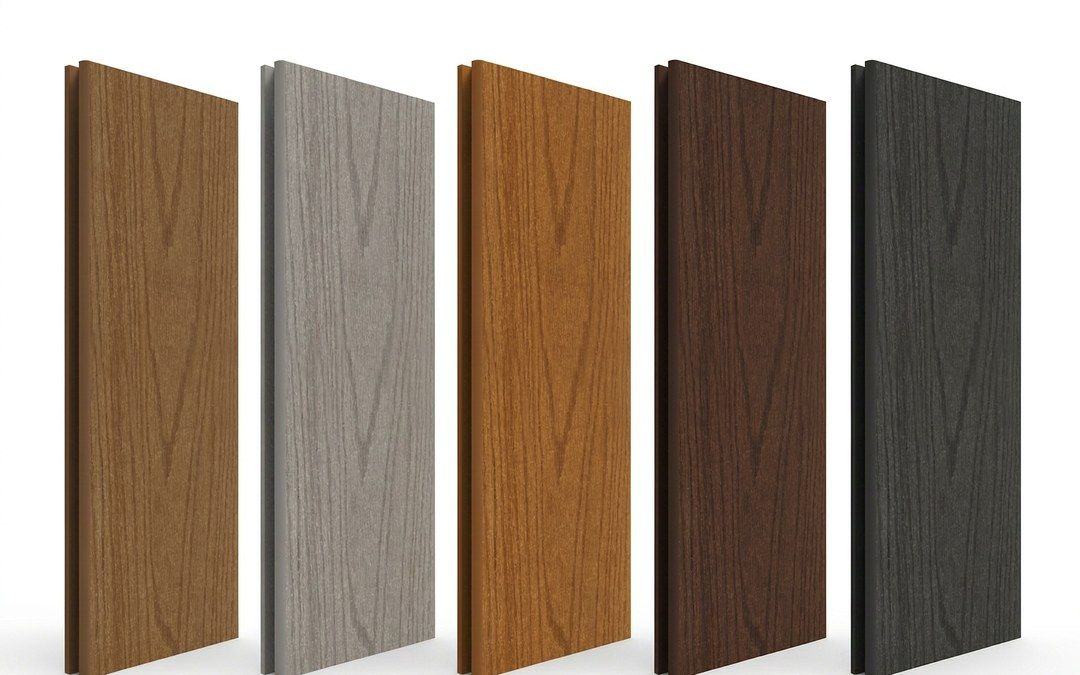
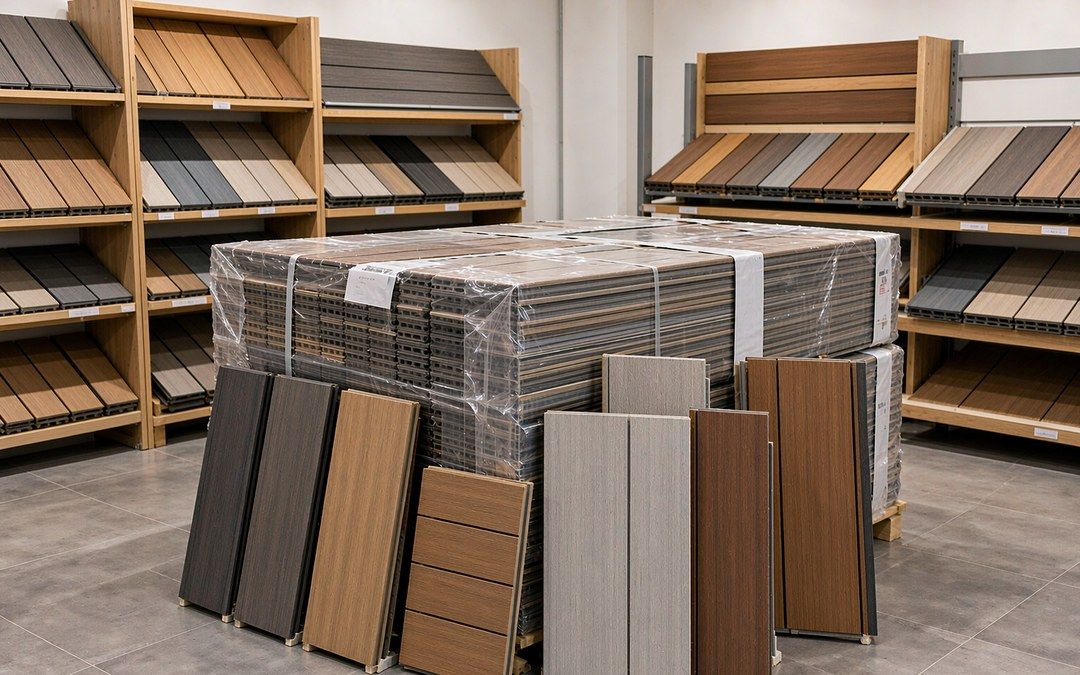
3. Color tier. Standard wood tones cost less than deep or specialty colors, which require more expensive masterbatch and can carry a per-color MOQ surcharge. A quote that only lists "teak" is hiding the cost of the charcoal and walnut variants you will actually need to fill an order.
4. Surface finish. Embossed wood grain, brushed texture, and grooved profiles each add a production step. The finish you choose affects both cost and the retail price you can command.
5. Recycled content. Higher post-consumer recycled HDPE content is generally cost-advantageous on raw material and increasingly a selling point for ESG-conscious buyers — but only if the supplier can document it. Ask for the recycled content percentage in writing rather than accepting "eco-friendly" as a feature.
The practical rule: a trustworthy wholesale supplier can quote you all five variables in one table. A supplier who gives one flat number for "decking" either does not know their own product or is quoting you a commodity profile you will have trouble selling.
MOQ: The Number That Hides in Plain Sight
MOQ in composite decking is almost always per color per profile, not per order. This is the single most common misunderstanding for new importers.
- You order 1,000 m² of decking, satisfied you have met the MOQ.
- Your order actually needs four colors across two profiles.
- The supplier's MOQ was per color per profile — so your "met" MOQ is actually eight separate production runs.
The consequences: per-unit price surcharges, longer lead times, or a warehouse full of one color while the other three sit on backorder. Before you commit, ask two questions explicitly:
- "Is the MOQ per order, per profile, or per color per profile?"
- "What is the MOQ for a custom or non-standard color?"
For distributors, this is where consolidating lines with a full-range manufacturer pays off: combined volume across decking, cladding, and fencing can often clear per-color minimums that a single-line order cannot.
Container Loads: Where the Freight Math Lives
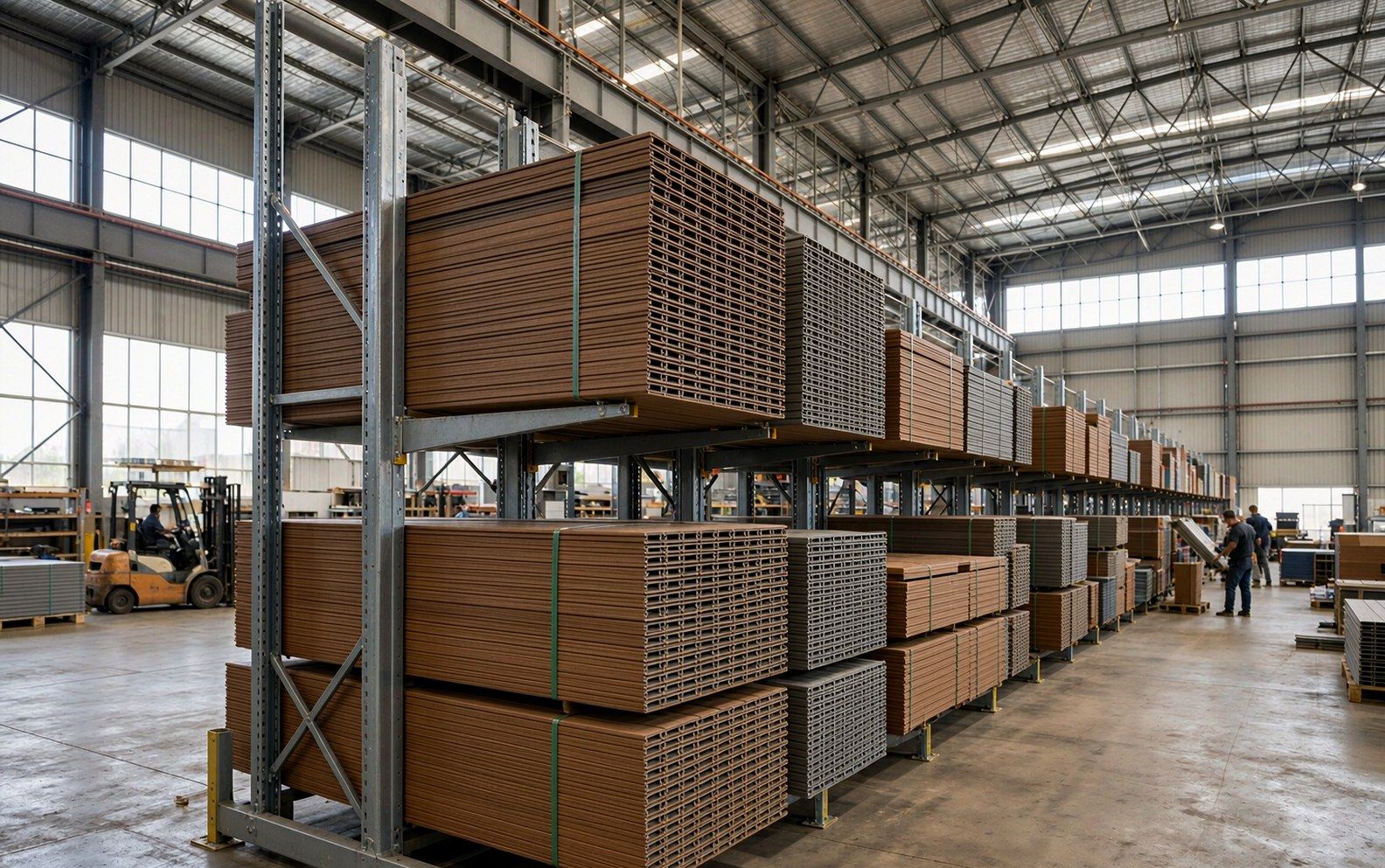
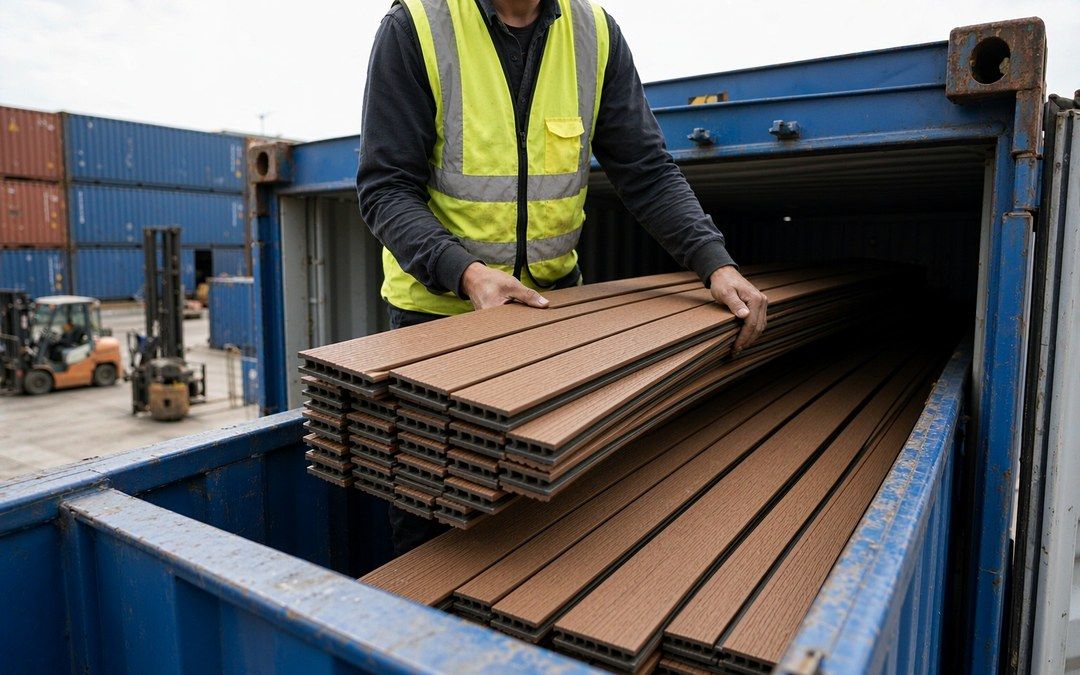
Wholesale decking economics live or die on container utilization. Decking is dense and heavy; you will hit the weight limit of a container before you fill its volume, which is the opposite of most other goods.
As a working rule for a 40-foot high-cube container:
- Solid co-extruded decking loads in the range of roughly 20–24 tonnes, depending on profile and packing.
- Hollow profiles load fewer tonnes (more air per board) but more board length per tonne.
- The exact figure depends on bundle size, palletization, and whether the supplier uses loose loading or pallets.
Why this matters: freight cost per square meter is a function of how many square meters you fit into the container's weight budget. A slightly lighter board that looks cheaper per square meter can end up more expensive per delivered square meter once freight is amortized. Ask your supplier for a loading plan — board count per bundle, bundles per container, and total tonnes — before you compare delivered cost.
The Questions to Put in Your RFQ
Before you accept any wholesale decking quote, put these in writing:
- Price per square meter at your exact dimension, profile, wall structure, and color tier
- Recycled content percentage, documented
- MOQ per color per profile (not per order)
- Lead time for standard versus custom colors
- Container loading plan: bundles per container, total tonnes, freight-relevant weight
- Private-label and OEM terms if you plan to brand the range
- Sampling policy: physical samples and batch-match retention
A supplier who answers all seven precisely is a supplier who has shipped containers before. One who answers with a single number is not ready for your order.
Where Wholesale Decking Sits in a Distributor's Range
For distributors, composite decking is usually the anchor line — the product that fills containers and drives the relationship. It also sets the terms for everything else:
- Anchor economics: decking fills the container weight budget; cladding, columns, and deck tiles fill the remaining volume — a full-line manufacturer lets you optimize both at once
- Program support: territory protection, marketing materials, and installer referral programs matter as much as the per-board price for long-term accounts
If you are evaluating a supplier relationship rather than a one-off purchase, review what a decking distributor program should include before you sign — the terms around territories and pricing often outweigh a small per-unit difference.
FAQ
Q1: What is a realistic MOQ for wholesale composite decking?
It varies by supplier and profile. Expect a per-color per-profile MOQ rather than a single order MOQ — and always ask which one the quote assumes. Consolidating multiple product lines with one manufacturer is the most reliable way to clear per-color minimums.
Q2: Should I compare decking prices per square meter or per kilogram?
Per kilogram is the only like-for-like basis when dimensions, wall structures, or densities differ. Per square meter is fine only when every variable is held constant — which is rarely true across suppliers.
Q3: Why do some decking quotes look 30% cheaper?
Usually because they compare a hollow or un-capped board against a co-extruded one, or a lighter profile against a heavier one. Normalize to the same dimension, wall structure, and finish, then compare delivered cost including freight per square meter.
Q4: How does recycled content affect the price?
Higher recycled content typically lowers raw material cost and strengthens the sustainability story, but it must be documented. Ask for the percentage and, where relevant, certification or test reports to support the claim.
Q5: Can I get private-label wholesale decking?
Yes, established manufacturers support private-label packaging and branded retail programs. Confirm minimum volumes per color and packaging lead times as part of the same RFQ — see how OEM and private-label WPC products are typically structured.