OEM WPC Products: How Private Label Outdoor Building Materials Work
10th October, 2026OEM WPC Products: How Private Label Outdoor Building Materials Work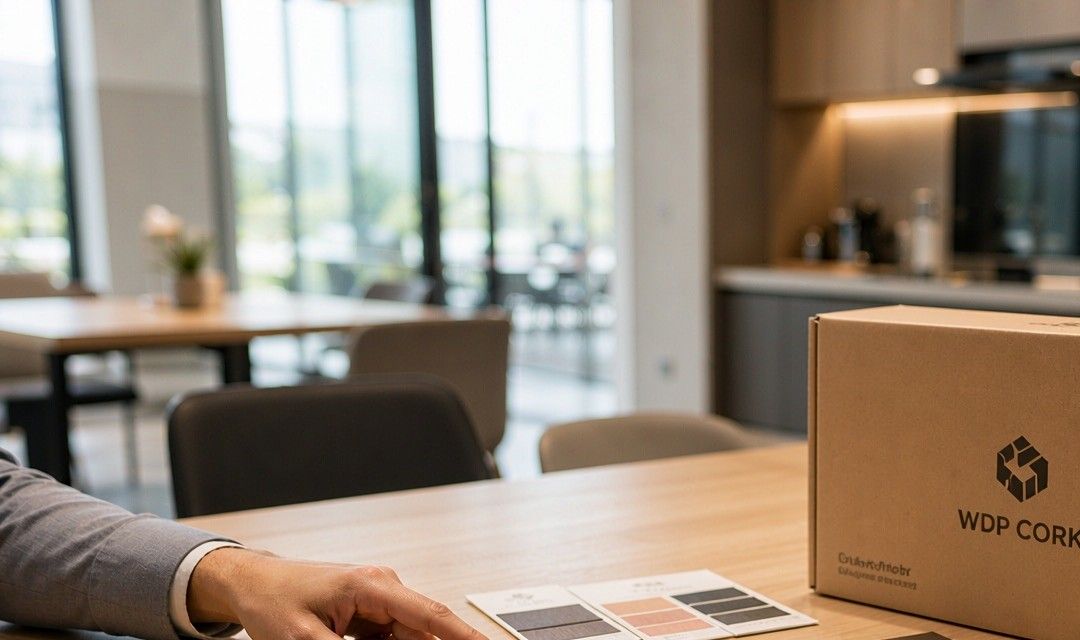
Retailers and distributors in outdoor building materials face a strategic fork: resell someone else's brand at thin margins, or build their own. Private label — putting your brand on products a manufacturer produces — is how regional players escape price competition. This guide explains how OEM (original equipment manufacturer) programs work for WPC outdoor products: what you can customize, how the process runs, what to demand contractually, and what it takes to launch.
What You Can Private Label in WPC Outdoor Products
The customization surface is larger than most retailers expect:
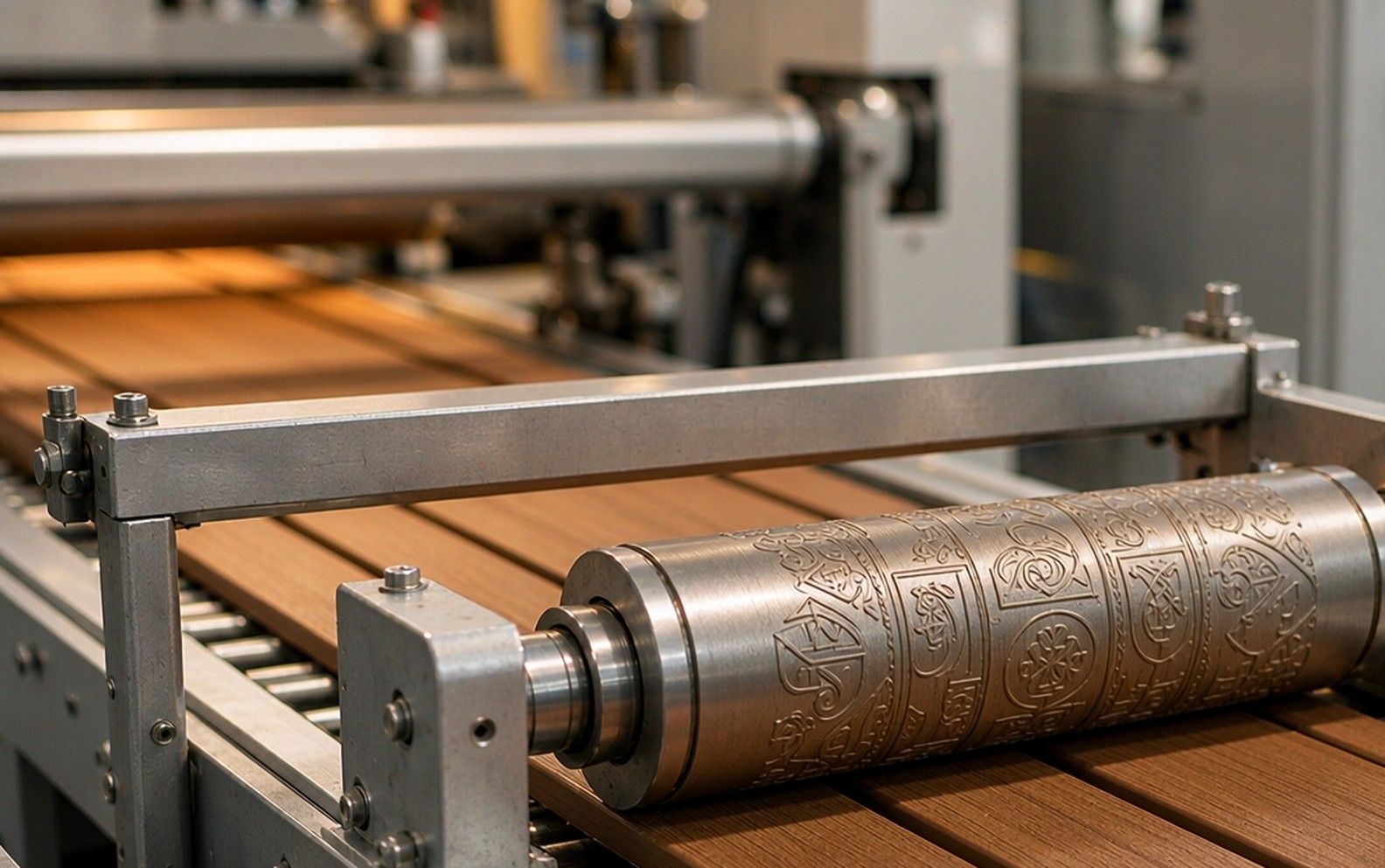
- Product branding: your logo embossed or inked on board surfaces, stamped on packaging
- Colors: your palette matched to your market's preference — exclusive colors are negotiable with serious manufacturers
- Profiles and dimensions: board widths, groove patterns, and lengths tuned to regional installation habits
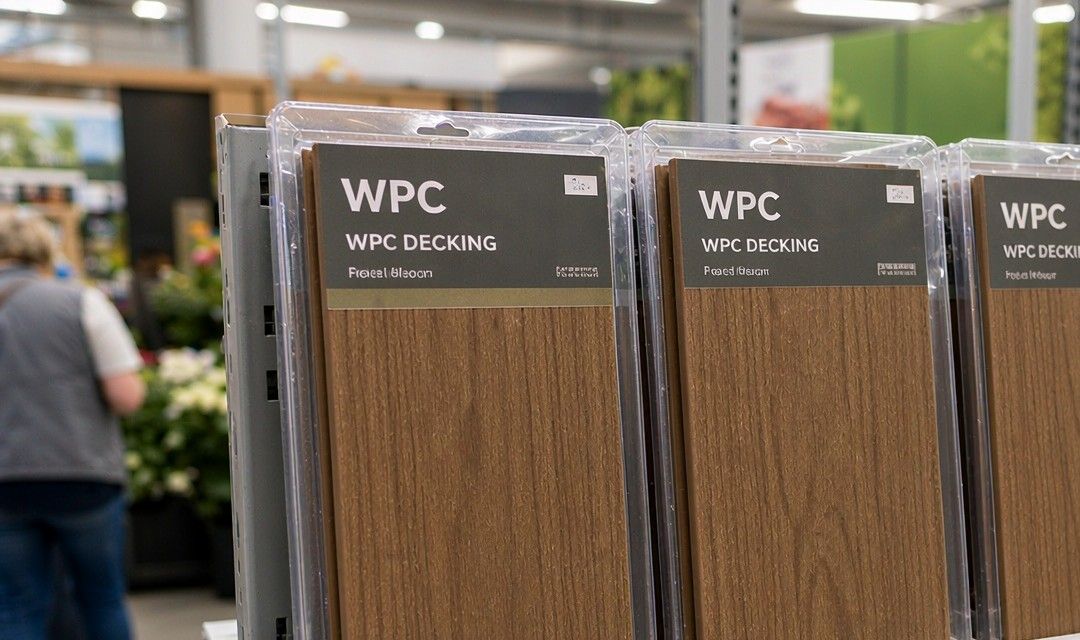
- Packaging: branded wraps, cartons, and barcode systems ready for your warehouse and retail shelves
- Kits and bundles: starter kits combining boards, clips, and fascia under your brand
The ceiling is your supplier's production depth: a manufacturer with its own extrusion and tooling can customize all of it; a trader can only forward your request and hope.
How an OEM Project Actually Runs
A typical engagement with a WPC manufacturer follows five stages:
- Specification: you define products, colors, dimensions, and volumes; the manufacturer confirms feasibility and tooling requirements.
- Sampling: pre-production samples for approval — surface, color, and profile checks before any bulk commitment.
- Contract: brand usage terms, quality standards, exclusivity (by territory or by product), and batch consistency clauses in writing.
- Production and QC: production runs with inspection at agreed checkpoints; export packaging to your specifications.
- Replenishment: standing reorder terms so your brand's inventory plan does not depend on renegotiation.
The whole first cycle typically runs from weeks to a few months depending on tooling — the majority of OEM WPC programs use existing profiles with custom branding and colors, which keeps the timeline short.
The Three Contractual Pillars That Matter
Private label relationships live or die on the contract:
- Quality ownership: test standards your products must meet, with remedy timelines for defects — your brand is on the box, so the manufacturer's failures are your customer's complaints.
- Exclusivity scope: territory and/or product exclusivity with performance milestones — protects your market while keeping the manufacturer's incentives honest.
- Batch consistency: written color and profile reproduction commitments across reorder cycles — the clause that decides whether your year-three inventory matches your launch stock.
What OEM Costs: The Honest Structure
[[IMG:3]]
Expect three cost layers, each negotiable:
- Tooling (for custom profiles): often amortized into unit price at agreed volumes
- Per-unit premium: modest for branding and colors on existing profiles; higher for custom dimensions
- MOQ by SKU: manufacturers set minimums per color/profile to keep production runs efficient — mixed-container rights across products reduce your inventory risk
The margin math favors private label decisively once volumes are steady: branded products compete on your terms rather than on a shared price list with every other reseller.
Who Should Consider Private Label WPC?
- Regional distributors with steady category volume wanting margin and differentiation
- Retail chains building house brands in outdoor or garden categories
- Installers and builders extending into product supply
- Brands in adjacent categories (e.g., garden equipment) adding outdoor flooring lines
The common thread: existing customer flow that your brand can serve better than a national label's price list.
Frequently Asked Questions
What is OEM in WPC products?
A manufacturer produces decking, fencing, cladding, or tiles to your specification — your brand, your colors, optionally your profiles — while the factory handles production, QC, and export.
What is the MOQ for private label WPC?
Set per color and profile by the manufacturer; mixed-container programs let you combine product lines to reach viable totals without overstocking one SKU.
Can I get exclusive colors and territories?
With vertically integrated manufacturers, yes — exclusive palettes and territory exclusivity with performance milestones are standard negotiations.
How long does the first OEM order take?
Branding and color on existing profiles: weeks including sampling. Custom profiles requiring tooling: longer, with tooling cost amortized at agreed volumes.
Who owns the brand and quality responsibility?
You own the brand; the contract assigns production quality standards with remedy timelines — which is why the quality clause is the one to negotiate hardest.
The Bottom Line
Private label WPC is margin, differentiation, and customer ownership in exchange for specification discipline and a contract done right. The manufacturer's production depth decides the ceiling of what your brand can be — factories that run their own lines offer colors, profiles, packaging, and batch consistency that traders simply cannot promise on anyone's authority.
As an experienced WPC outdoor product manufacturer, NatureTough runs OEM and private-label programs across decking, fencing, cladding, and tiles — custom colors, branded embossing, exclusive territories, and batch-consistent supply from our own extrusion lines.