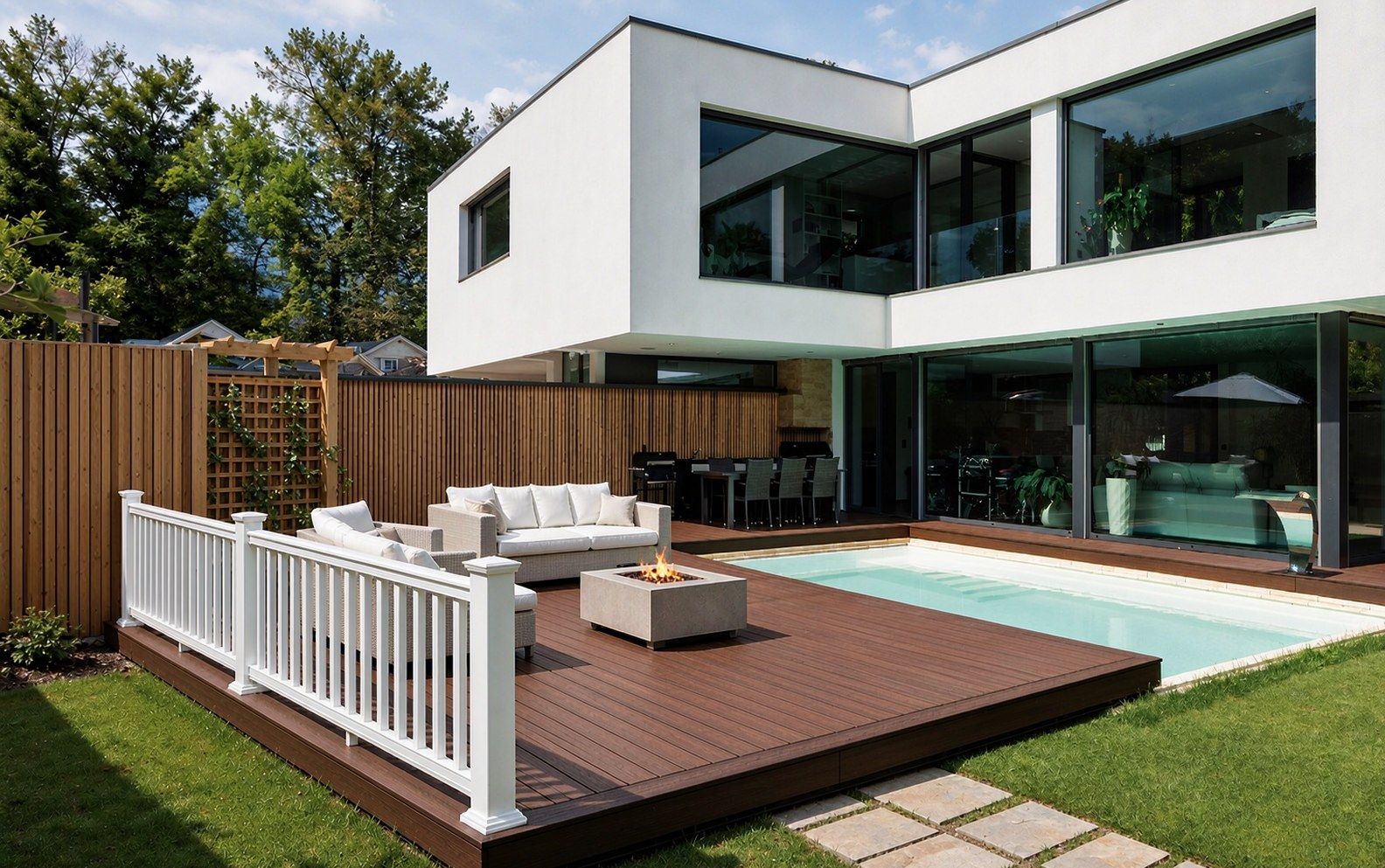
The Outdoor Living Products Market in 2026: Categories, Trends, and Sourcing Insights
4th November, 2026The Outdoor Living Products Market in 2026: Categories, Trends, and Sourcing Insights
The way North Americans use their backyards has changed. What was once a lawn with a patio table is now a fully furnished outdoor room — with flooring, walls, lighting, and furniture to match. Behind that shift sits a fast-evolving outdoor living product market, and for retailers, wholesalers, and distributors, understanding its structure is the first step to stocking the right categories.
This guide breaks down what the market covers, the trends driving demand in 2026, and the practical questions buyers should ask before committing to a supplier.
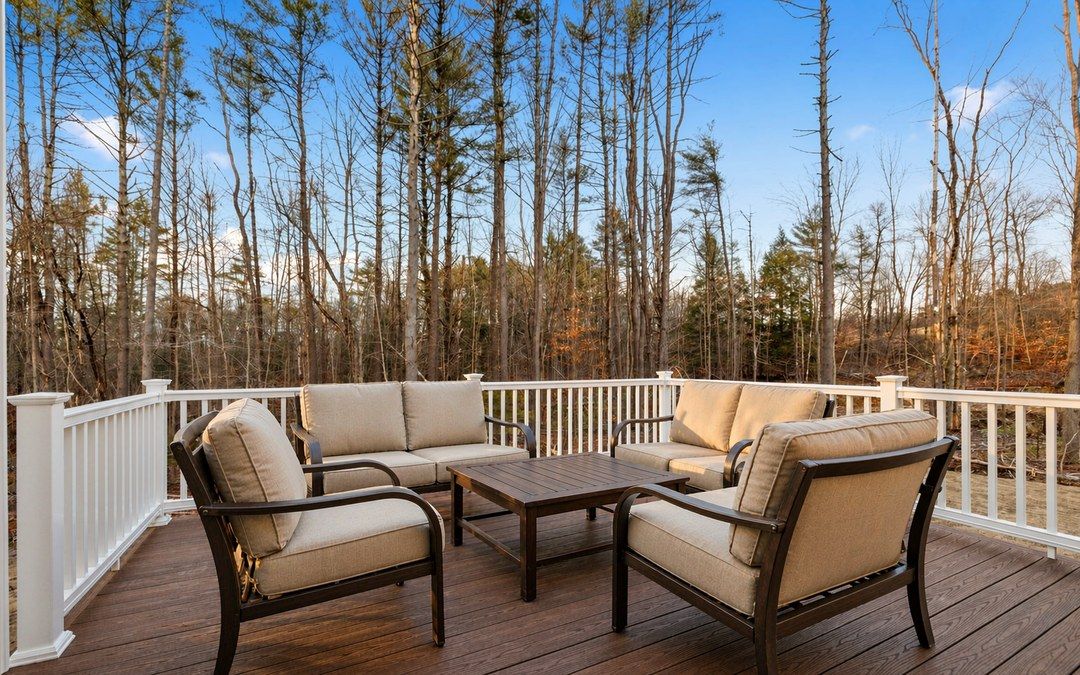
What Is the Outdoor Living Product Market?
The term "outdoor living products" covers the full range of materials and goods used to build, furnish, and decorate residential and commercial outdoor spaces. In practice, the market clusters into several core categories:
- Outdoor flooring — composite (WPC) decking, DIY interlocking deck tiles, porcelain and stone pavers
- Fencing and screening — privacy fences, garden screens, and boundary systems
- Exterior wall cladding — decorative and protective wall panels for facades, garden walls, and feature surfaces
- Garden structures — raised garden beds, pergolas, planters, and privacy partitions
- Structural and decorative columns — load-bearing and decorative elements for outdoor architecture
- Outdoor furniture and shade — dining sets, loungers, umbrellas, and shade sails
For B2B buyers, the useful way to read this list is not as isolated products but as a project basket: a single backyard renovation can pull from five of the six categories at once. That is why one-stop suppliers and broad portfolios have become a competitive advantage in this space.
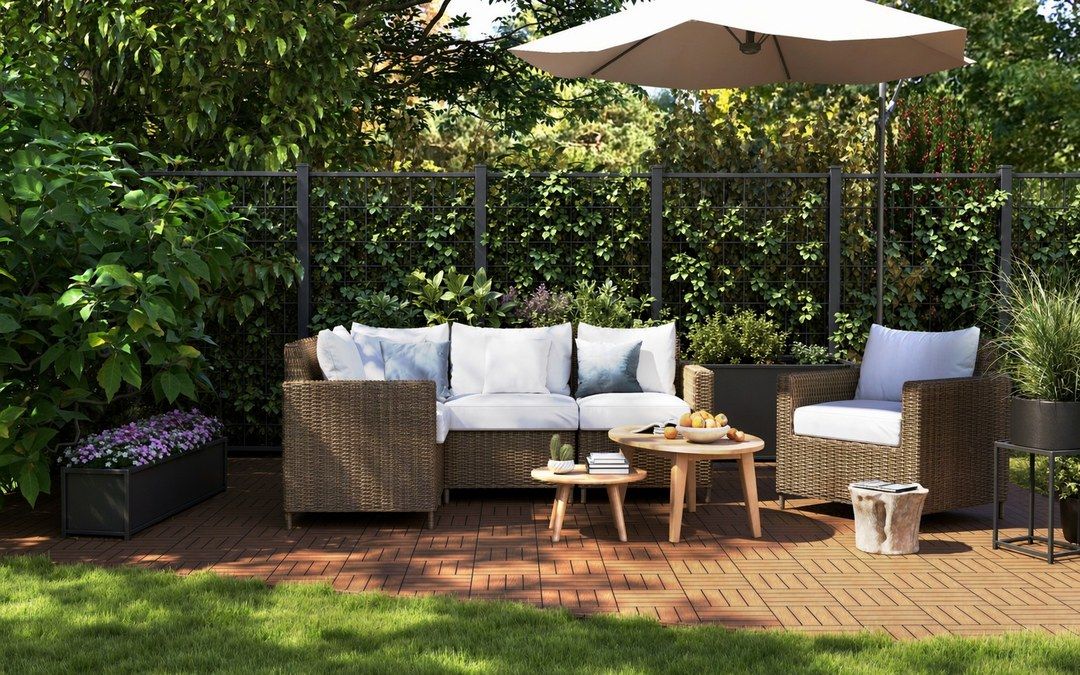
Trends Reshaping Demand in 2026
1. The Material Shift: From Wood to Composite
The single biggest structural trend in the outdoor living product market is the migration from natural wood to wood-plastic composite (WPC) and other engineered materials. Buyers choose composite for the same reasons across categories:
- Lower maintenance — no annual staining, sealing, or repainting
- Longer service life in wet, freeze-thaw, and high-UV climates
- Consistent appearance that doesn't gray or splinter like untreated timber
- Termite and rot resistance without chemical treatments
This shift spans decking, fencing, cladding, and even garden bed structures, making composite fluency a core sourcing competency for outdoor retailers.
2. Sustainability Is Now a Purchase Criterion
Recycled content and end-of-life recyclability have moved from marketing language to line-item requirements. Many WPC products incorporate recycled wood fiber and plastics, diverting waste streams into durable building products. Retail buyers increasingly ask suppliers for documentation of recycled content and environmental compliance — and end customers notice when it's missing.
3. The DIY Segment Keeps Expanding
Interlocking deck tiles, modular fence panels, and screwless cladding systems have lowered the skill barrier for outdoor upgrades. DIY-friendly products widen a retailer's customer base from contractors to homeowners, and they carry attractive margins on accessories (edge trims, pedestals, fasteners) — a classic razor-and-blades dynamic.
4. Outdoor Rooms, Not Outdoor Furniture
Consumer spending has shifted from single-item purchases to complete outdoor environments: a deck, a privacy screen, a feature wall, and lighting planned as one project. Retailers who merchandise categories together — and suppliers who can fill an entire project basket — capture more of each renovation.
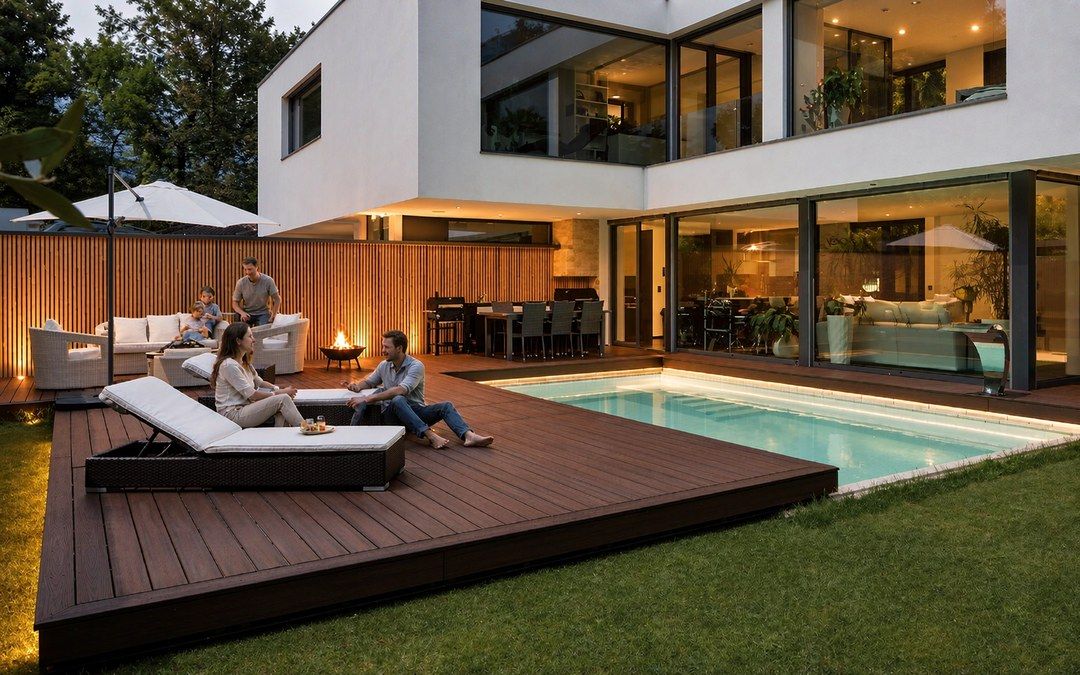
What This Means for Buyers and Retailers
Category Decisions Are Interconnected
If your fencing supplier can't also provide matching decking or cladding, you end up managing three logistics relationships for one customer's project. When evaluating suppliers in the outdoor living product market, map their catalog against the project basket above before comparing unit prices.
Seasonality Rewards Supply Planning
Outdoor living demand in North America peaks in spring, with purchasing decisions made in Q4–Q1. Retailers who build inventory early avoid the two classic failure modes: stockouts during peak sell-through and overstock of last season's colors in fall.
Compliance and Documentation Matter
Depending on your channel and region, you may need to verify fire-performance ratings, material safety documentation, or environmental compliance certificates. Requesting these during supplier evaluation — not after the first PO — prevents onboarding delays.
How to Evaluate an Outdoor Living Supplier
When shortlisting manufacturers for outdoor living products, experienced buyers typically weigh:
- Breadth of portfolio — can one supplier cover decking, fencing, cladding, and structures, or will you need to piece together a program?
- Manufacturing consistency — color and dimensional consistency across production batches, which matters visually on long fence lines and large decks
- System completeness — posts, rails, trims, fasteners, and accessories in matching finishes
- Recycled content and sustainability documentation
- Export experience and North America market familiarity — including packaging, labeling, and logistics readiness for USMCA-region buyers
- MOQ and lead-time flexibility that matches your inventory cycle
Frequently Asked Questions
What counts as outdoor living products?
Outdoor flooring (decking, deck tiles), fencing, exterior wall cladding, garden structures like raised beds and pergolas, columns, and outdoor furniture/shade — essentially everything used to build out an outdoor space.
Why is composite replacing wood in this market?
Composite offers lower maintenance, longer lifespan, and stable appearance over time, while often incorporating recycled materials. The trade-offs are higher upfront cost and more engineering required in product quality.
Is demand for outdoor living products seasonal?
Strongly. North American sell-through peaks in spring; professional buyers typically place orders in late fall and winter. Southern markets with year-round outdoor seasons smooth the curve somewhat.
What should retailers look for in a supplier?
Portfolio breadth, manufacturing consistency, complete systems (not just boards), sustainability documentation, and North America export experience.
The Bottom Line
The outdoor living product market is being shaped by three durable forces: the shift to composite materials, sustainability requirements, and the rise of the complete "outdoor room" project. For buyers, the winning strategy is less about picking individual SKUs and more about choosing suppliers who can cover the whole project basket — consistently, compliantly, and at scale.
Sourcing outdoor living products? See how OEM and private-label WPC programs work, or get factory pricing for your project basket.