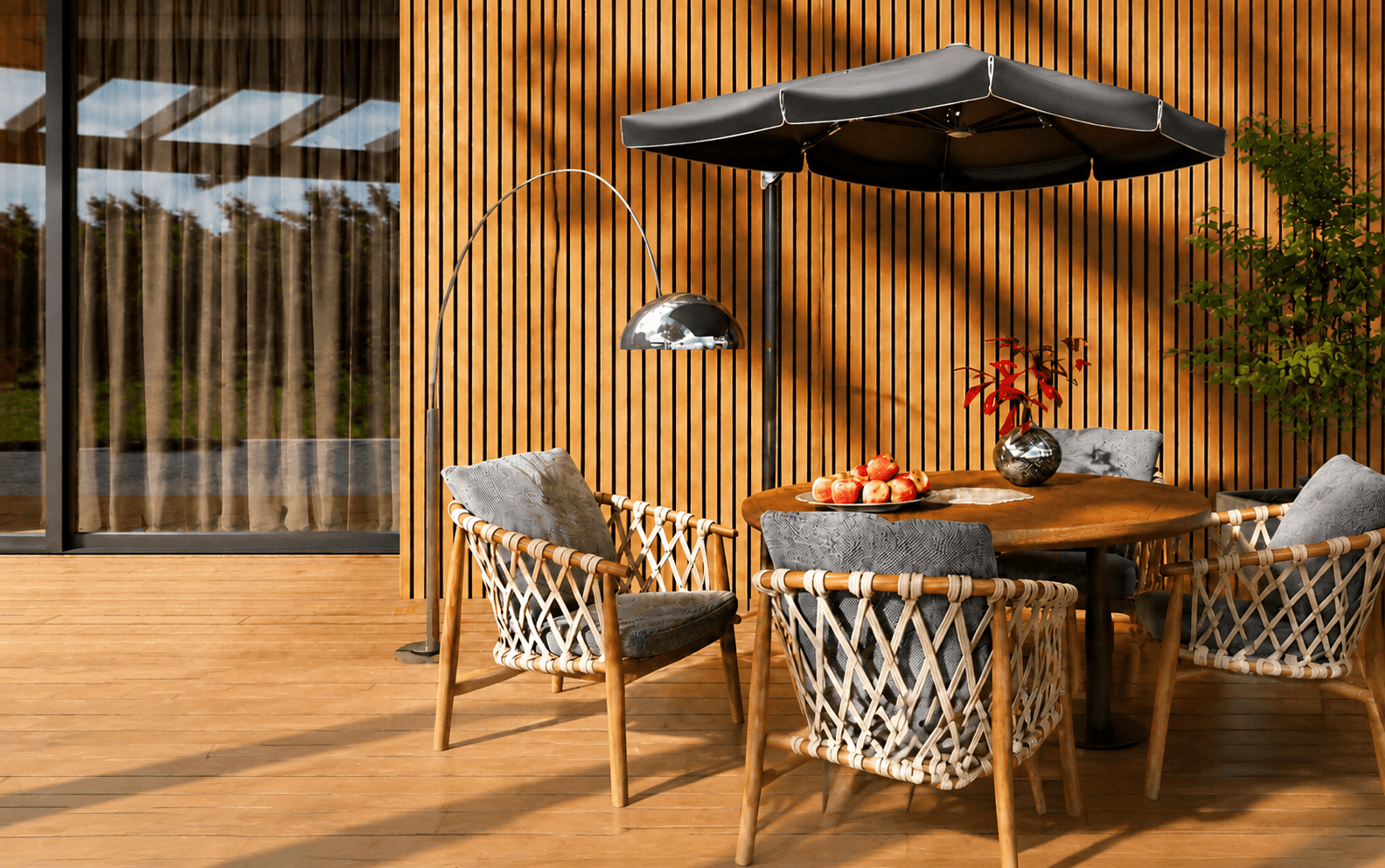
Types of Exterior Wall Cladding: Materials, Benefits, and Design Ideas for Modern Buildings
3rd September, 2026Exterior wall cladding plays an important role in protecting buildings from weather conditions while improving their appearance and energy efficiency. Today, architects, contractors, and building material distributors can choose from various exterior wall cladding materials, including WPC, PVC, wood, metal, and fiber cement panels.
For construction projects, selecting the right outside wall finishes depends on factors such as durability, maintenance requirements, installation efficiency, design flexibility, and long-term cost.
This guide explains the different types of exterior wall cladding, their advantages, applications, and how to select the right solution from a professional manufacturer.
What Is Exterior Wall Cladding?
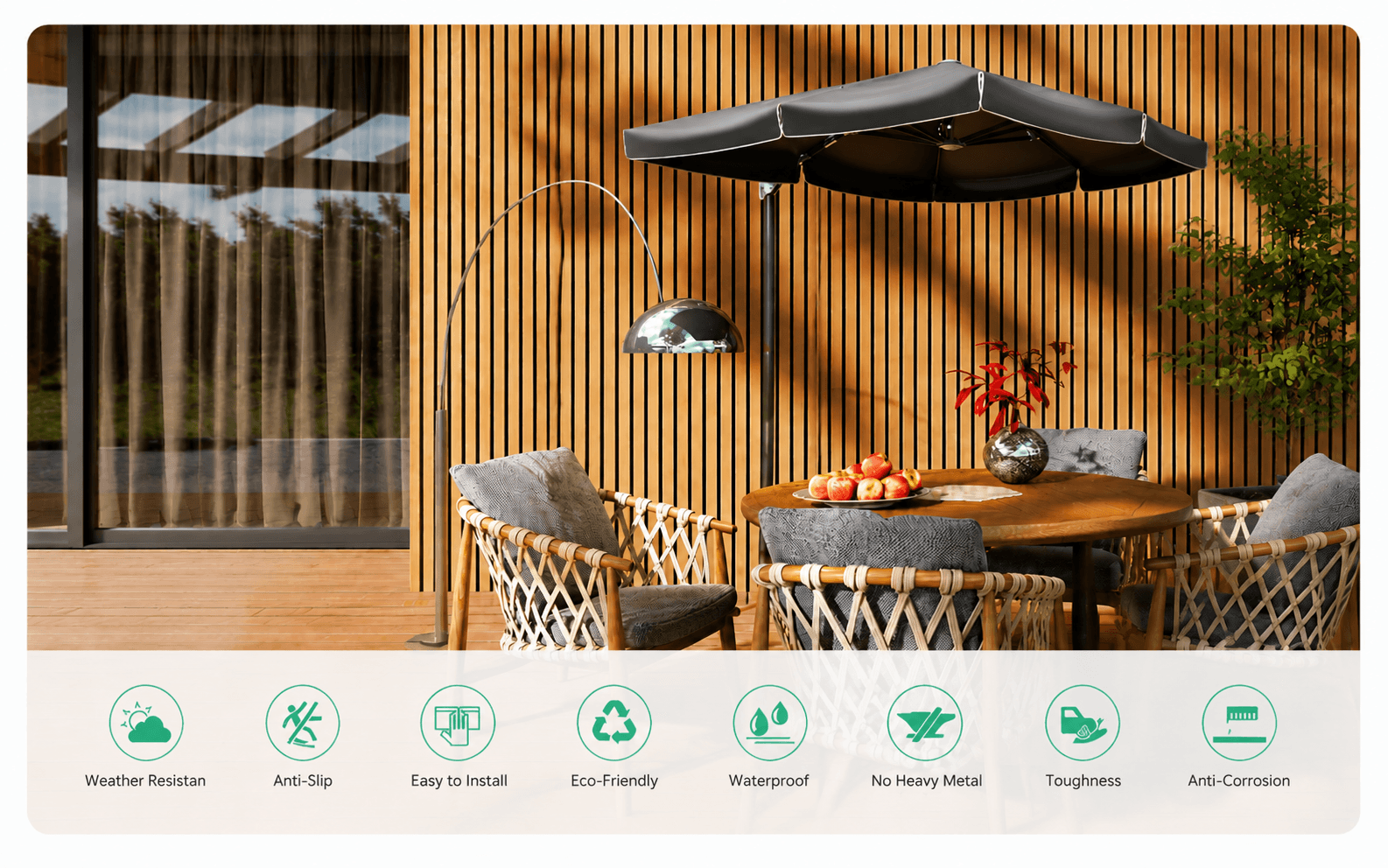
Exterior wall cladding refers to a protective and decorative layer installed on the outside surface of a building.
Unlike traditional wall painting or simple exterior coatings, cladding systems provide additional protection against:
- Rain and moisture
- UV exposure
- Temperature changes
- Physical impact
- Surface aging
For commercial buildings, residential projects, and large-scale developments, exterior cladding is widely used to improve both building performance and visual appearance.
Why Is Exterior Wall Cladding Important for Buildings?
- Protects Buildings from Weather Damage
High-quality cladding materials create a protective barrier that helps reduce moisture penetration and weather-related damage. - Improves Building Appearance
Modern exterior wall finishes are available in various colors, textures, and patterns, allowing architects to create different architectural styles. - Reduces Maintenance Costs
Compared with traditional painting and natural wood finishes, composite cladding requires less maintenance over its service life. - Increases Project Value
Durable and attractive exterior finishes can improve the overall value of residential and commercial properties.
Types of Exterior Wall Cladding Materials
Different projects require different performance characteristics. The most common exterior wall finishing materials include:
- WPC Exterior Wall Cladding
WPC (Wood Plastic Composite) exterior wall cladding combines wood fibers and polymer materials to create a durable outdoor solution.
Advantages of WPC Wall Cladding:
- Waterproof and moisture resistant
- Resistant to cracking and rotting
- Low maintenance
- Natural wood appearance
- Long outdoor service life
WPC cladding is widely used for: - Villas
- Hotels
- Commercial buildings
- Outdoor architectural projects
For distributors and contractors, WPC exterior wall panels provide a balance between aesthetics, durability, and installation efficiency.
- PVC Exterior Wall Panels
PVC wall panels are lightweight and cost-effective exterior finishing solutions.
Key Features:
- Easy installation
- Lightweight transportation
- Good weather resistance
- Suitable for large projects
PVC cladding is commonly used in residential renovation projects and commercial buildings.
- Natural Wood Wall Cladding
Natural wood remains popular because of its unique texture and premium appearance.
However, it requires regular:
- Painting
- Waterproof treatment
- Maintenance
In areas with high humidity or extreme weather, composite alternatives are often preferred.
- Metal Exterior Wall Cladding
Metal panels, including aluminum and steel, are widely used in modern architectural designs.
Benefits include:
- High strength
- Fire resistance
- Modern appearance
They are commonly applied in commercial buildings and industrial projects.
- Fiber Cement Exterior Panels
Fiber cement combines cement and reinforcing fibers to create durable exterior panels.
Advantages:
- Strong weather resistance
- Fire-resistant performance
- Long lifespan
How to Choose the Right Outside Wall Finishes?
When selecting exterior wall finishing materials, buyers should evaluate:
Material Durability
The material should withstand local climate conditions, including rainfall, sunlight, and temperature changes.
Installation System
For contractors and developers, easy installation can reduce labor costs and shorten project timelines.
Maintenance Requirements
Low-maintenance materials help reduce long-term ownership costs.
Design Options
Modern exterior wall cladding ideas include:
- Wood grain facade designs
- Stone-effect walls
- Minimalist exterior panels
- Mixed material facades
Popular Exterior Wall Cladding Ideas for 2026
Modern Wood-Look Facades
Wood-effect panels create a natural appearance while providing better durability than traditional timber.
Commercial Building Facades
Large-format exterior panels are increasingly used in offices, hotels, and retail spaces.
Sustainable Exterior Solutions
With growing demand for green construction, recycled and composite materials are becoming popular choices.
Exterior Wall Cladding Manufacturer: What Should Buyers Look For?
For importers, distributors, and construction companies, choosing the right supplier is critical.
A reliable exterior wall cladding manufacturer should provide:
Factory Production Capability
Large production capacity ensures stable supply for bulk projects.
Customization Service
Professional manufacturers should support:
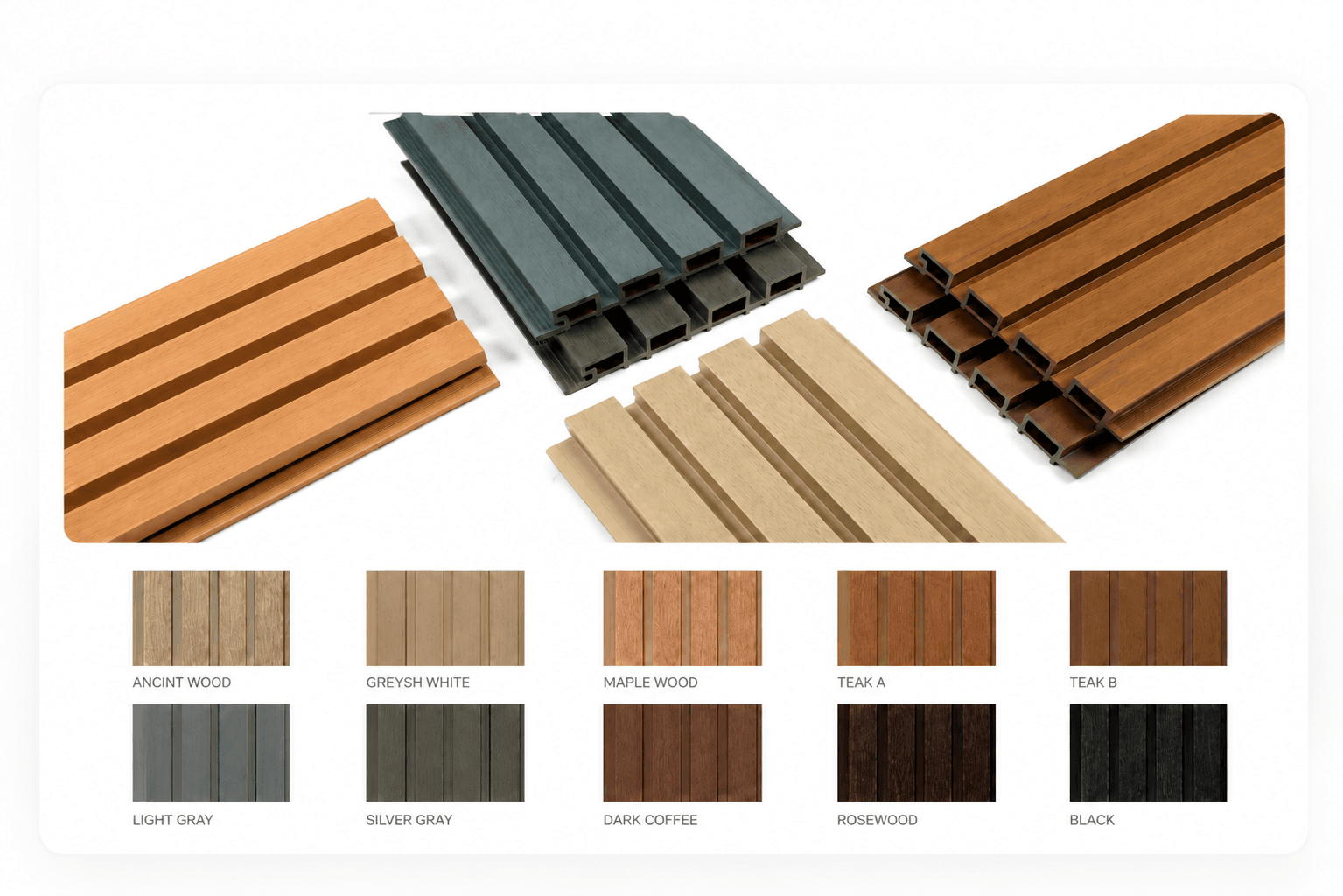
- Custom colors
- Surface textures
- Sizes
- Packaging solutions
Quality Certifications
International buyers often require: - ISO certification
- Environmental testing
- Product quality reports
Why Choose Naturetough for Exterior Wall Cladding Solutions?
Naturetough specializes in sustainable building materials, providing exterior wall cladding solutions for global markets.
Our advantages include:
- Factory-direct supply
- Professional R&D capability
- Customized designs
- Large-scale production
- Experience serving global distributors and contractors
With manufacturing bases in China and overseas production facilities, Naturetough provides reliable supply solutions for international projects.
Frequently Asked Questions About Exterior Wall Cladding
- What is the best material for exterior wall cladding?
The best material depends on project requirements. WPC, PVC, metal, and fiber cement all have different advantages in durability, appearance, and cost. - Is WPC wall cladding suitable for outdoor use?
Yes. WPC wall cladding is designed for outdoor environments with good resistance to moisture, UV exposure, and weather conditions. - What is the difference between siding and exterior wall cladding?
Siding is usually a specific type of exterior covering, while exterior wall cladding is a broader term covering different materials and systems. - How long does exterior wall cladding last?
The lifespan depends on material quality, installation method, and environmental conditions. High-quality composite cladding can provide long-term outdoor performance.
Conclusion
Choosing the right exterior wall cladding is essential for creating durable, attractive, and low-maintenance buildings.
From WPC and PVC panels to metal and fiber cement solutions, modern outside wall finishes provide multiple options for different architectural requirements.
For distributors, contractors, and project developers, working with an experienced exterior wall cladding manufacturer ensures stable supply, customization support, and consistent product quality.