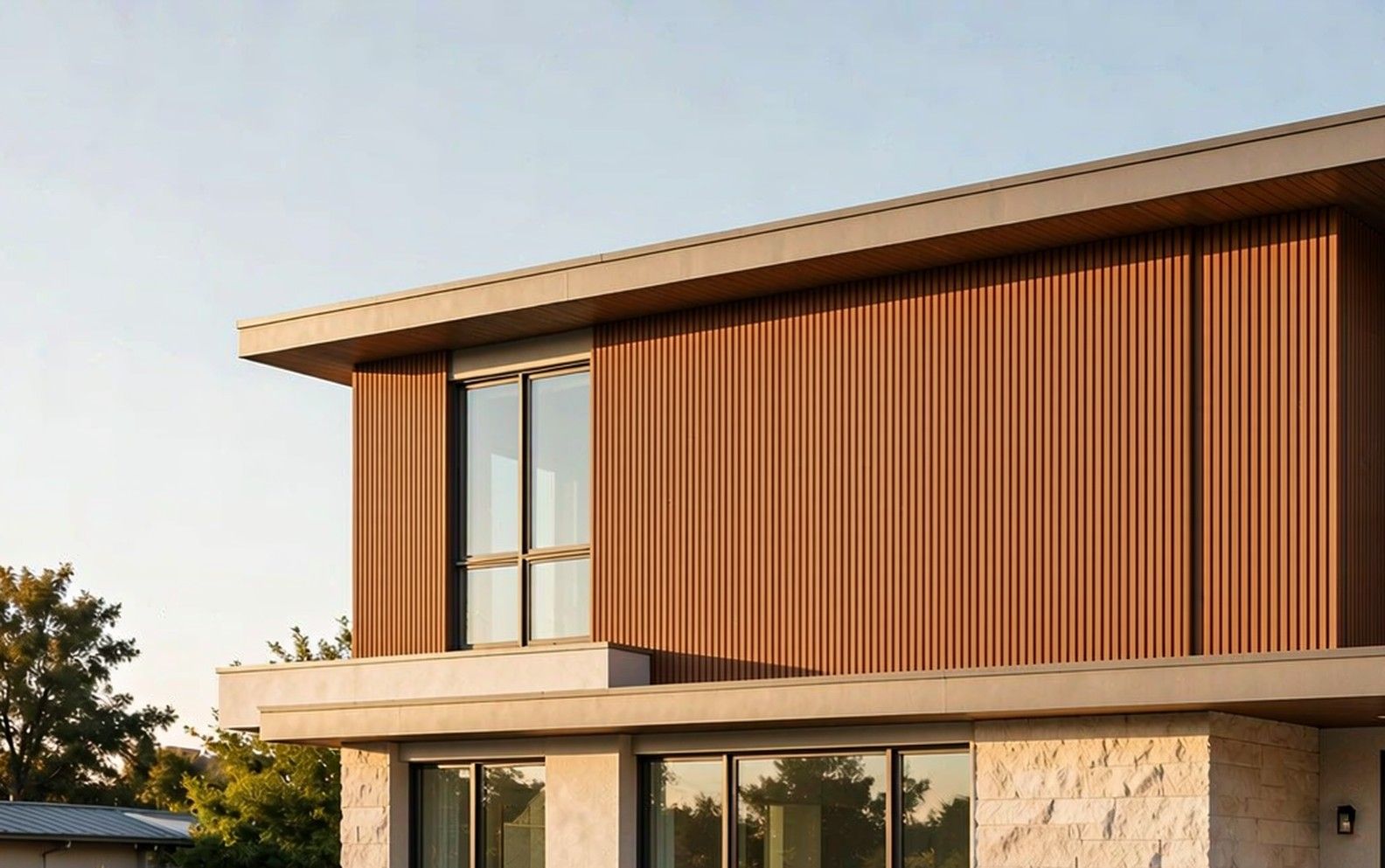
Types of Exterior Wall Cladding: A Complete Guide to Materials and Design Ideas
15th September, 2026Choosing the right exterior wall cladding is one of the most visible decisions in any building or renovation project. It shapes curb appeal, sets the tone for the whole property, and stands between the structure and sun, rain, wind and temperature swings. If you have been comparing materials — or searching for outdoor wall panel ideas for a patio or garden — this guide walks through the main types of exterior wall cladding, how they differ, and where modern composite systems fit in.
What Is Exterior Wall Cladding?
Wall cladding is the outermost layer of a building's envelope. It is not structural — its job is to shed water, shield the wall assembly from weather, and define the building's appearance. Because cladding is the first line of defense, the best systems combine three qualities: weather resistance, dimensional stability, and a look that lasts as long as the material does.
The Main Types of Exterior Wall Cladding
- Wood cladding: timber boards and shingles offer natural warmth that many homeowners love. The trade-off is upkeep — periodic sealing or staining, and vulnerability to rot, insects and warping if maintenance lapses.
- Vinyl siding: affordable and low-maintenance, vinyl is common across North America. It can fade over time and may become brittle in extreme cold or warp under intense heat.
- Fiber cement: engineered panels that resist rot and fire, and hold paint well. It is heavier and typically requires professional installation and periodic repainting.
- Brick and stone veneer: timeless and extremely durable, but among the most expensive options, with limited color flexibility once installed.
- Stucco: smooth, seamless and long-lasting in dry climates, though it can crack in regions with significant freeze-thaw cycles.
- Metal cladding: aluminum and steel panels deliver a clean, contemporary look and strong weather resistance, with denting and color options as the main considerations.
- Composite (WPC) wall panels: wood-plastic composite combines recycled wood fibers with polyethylene, offering the texture of timber with far less maintenance — the category this guide explores in depth.
Why Composite WPC Cladding Is Gaining Ground
Among all cladding types, WPC wall panels have seen the fastest growth in residential and commercial projects. The reasons are practical:
- Water and rot resistance: quality WPC does not absorb moisture, so panels do not swell, warp or support mold the way unprotected wood can.
- UV-stabilized color: pigments are engineered into the material, not coated on the surface, helping panels keep their tone through years of sun exposure.
- Design flexibility: fluted, grooved and smooth profiles in multiple colors let designers create rhythm and shadow lines that flat siding cannot match.
- Sustainable composition: the wood fiber content typically comes from recycled sources, giving the material strong environmental credentials.
- Low upkeep: no painting or staining cycle — soap, water and a soft brush are all the cleaning most installations ever need.
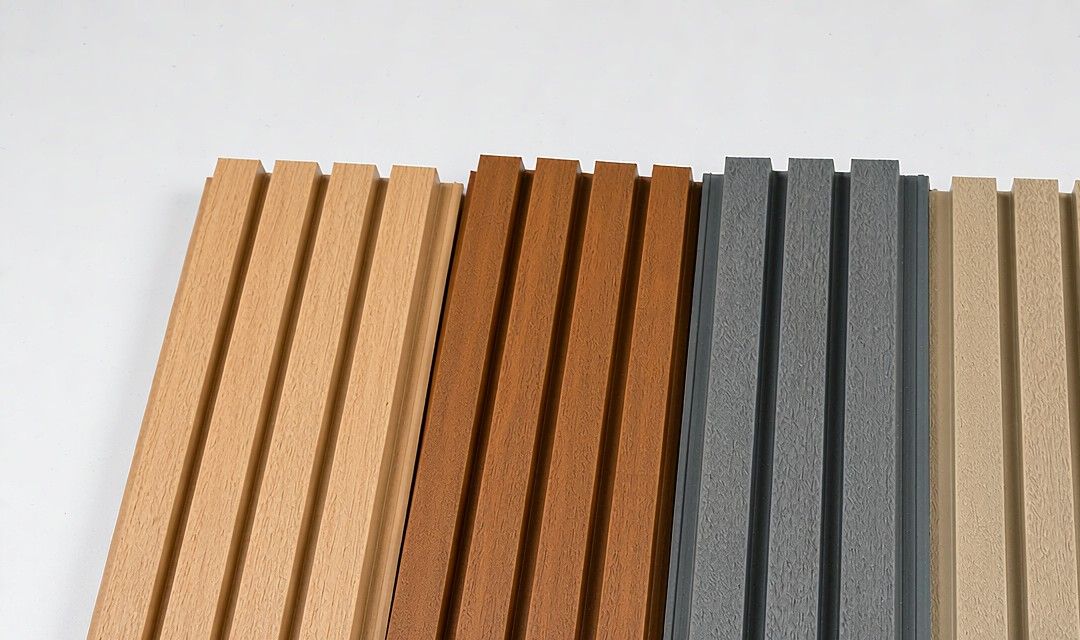
Choosing Colors and Profiles
Color is where WPC cladding really separates itself from paint-based systems. Because the tone runs through the material, you can choose confidently from families such as light oak, warm teak, neutral gray, soft beige and deep espresso — and the color you pick is the color you keep.
Profile choice matters just as much. Vertical fluted panels create shadow lines that make facades look taller and more architectural. Wider boards read calmer and more contemporary. Mixing profiles — for example, a fluted accent section beside smooth panels — adds depth without adding cost per square meter.
Outdoor Wall Panel Ideas for Every Space
Composite wall panels are not only for building facades. Some of the most popular applications are smaller projects with outsized visual impact:
- Garden feature walls: a single cladding wall behind planting beds turns a plain yard into a designed space, and pairs beautifully with landscape lighting.
- Patio and courtyard backdrops: paneling the wall behind outdoor seating creates an instant "outdoor room," especially when combined with a pergola or shade structure.
- Privacy screens and side returns: narrow walls along walkways or beside entrances gain texture and warmth without major construction.
- Commercial facades and signage walls: cafes, offices and retail spaces use composite panels for warm, low-maintenance branding surfaces.
- Balcony and terrace upgrades: lightweight panels suit retrofit projects where heavy materials are impractical.
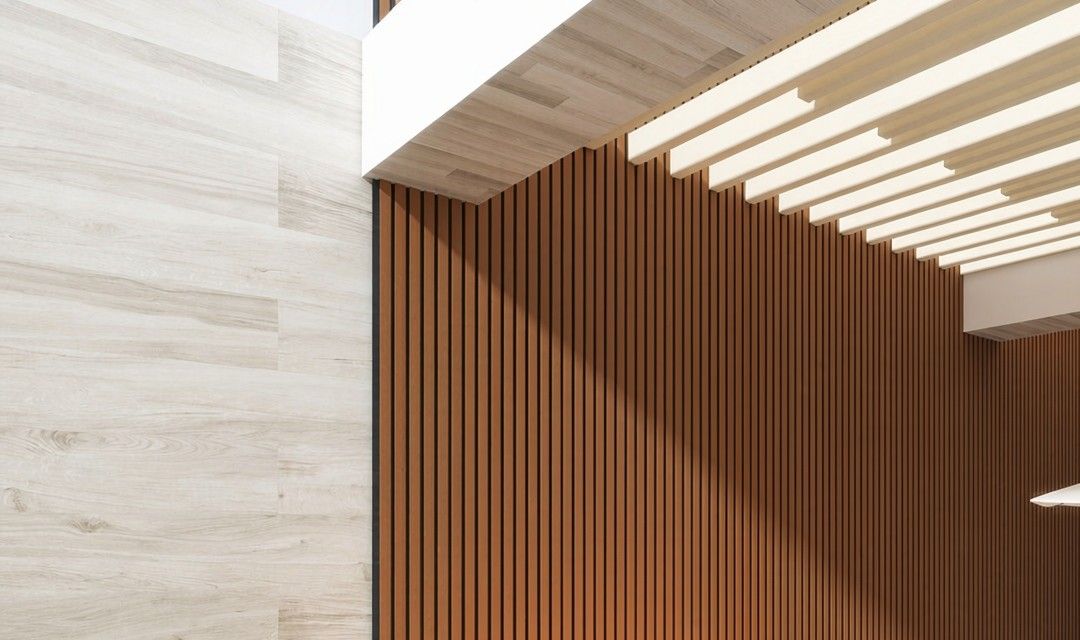
What to Look for in a Composite Cladding System
Not all composite panels are made to the same standard. When comparing products, ask about:
- Material composition: a balanced blend of wood fiber and polyethylene with UV inhibitors throughout, not just a surface coating.
- Manufacturing quality: closed-loop extrusion produces dense, consistent profiles without voids or weak points.
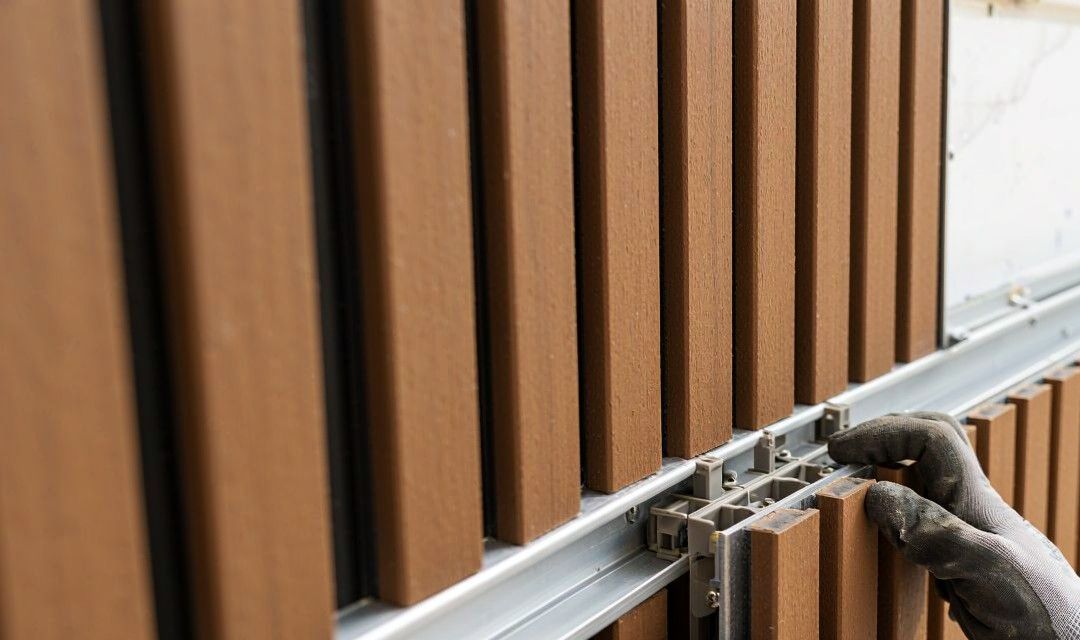
- Substructure and fastening: a complete system with aluminum or composite joists and hidden clips protects the panels and delivers a clean, fastener-free finish.
- Installation design: proper gaps for thermal movement and ventilation behind the panels extend service life — follow the manufacturer's spacing specifications.
Maintenance at a Glance
- Wood: sealing or staining every few years; watch for rot, insects and warping.
- Vinyl: wash occasionally; check for fading and impact damage.
- Fiber cement: repaint on a multi-year cycle; inspect caulking at joints.
- Composite WPC: wash with mild soap and water; no painting or staining cycle.
Frequently Asked Questions
What are the most popular types of exterior wall cladding?
Wood, vinyl, fiber cement, brick and stone veneer, stucco, metal and composite WPC panels are the mainstream options, each balancing cost, durability and appearance differently.
Is WPC wall cladding waterproof?
The composite material itself does not absorb water, so quality panels resist rain, snowmelt and humidity without swelling or rotting.
How long does composite cladding keep its color?
Because UV-stabilized pigments are embedded throughout the material, properly engineered panels maintain their tone for many years with no repainting.
Can I install wall cladding myself?
Smaller feature-wall projects are realistic for confident DIYers using a complete clip system. Full facades benefit from professional installation to ensure correct substructure and spacing.
What is the lowest-maintenance cladding option?
Composite WPC and vinyl require the least routine work; WPC offers the wood-like appearance vinyl lacks.
The Bottom Line
Every type of exterior wall cladding involves a trade-off between budget, looks and labor. If you want the warmth of wood without the maintenance contract that comes with it, composite WPC wall panels deserve the top of your list — and if you are planning a feature wall, patio backdrop or facade refresh, the design flexibility of modern composite systems makes them as much a design tool as a building material.
As an experienced WPC outdoor product manufacturer, NatureTough provides reliable WPC wall cladding, fencing and decking solutions for global markets.