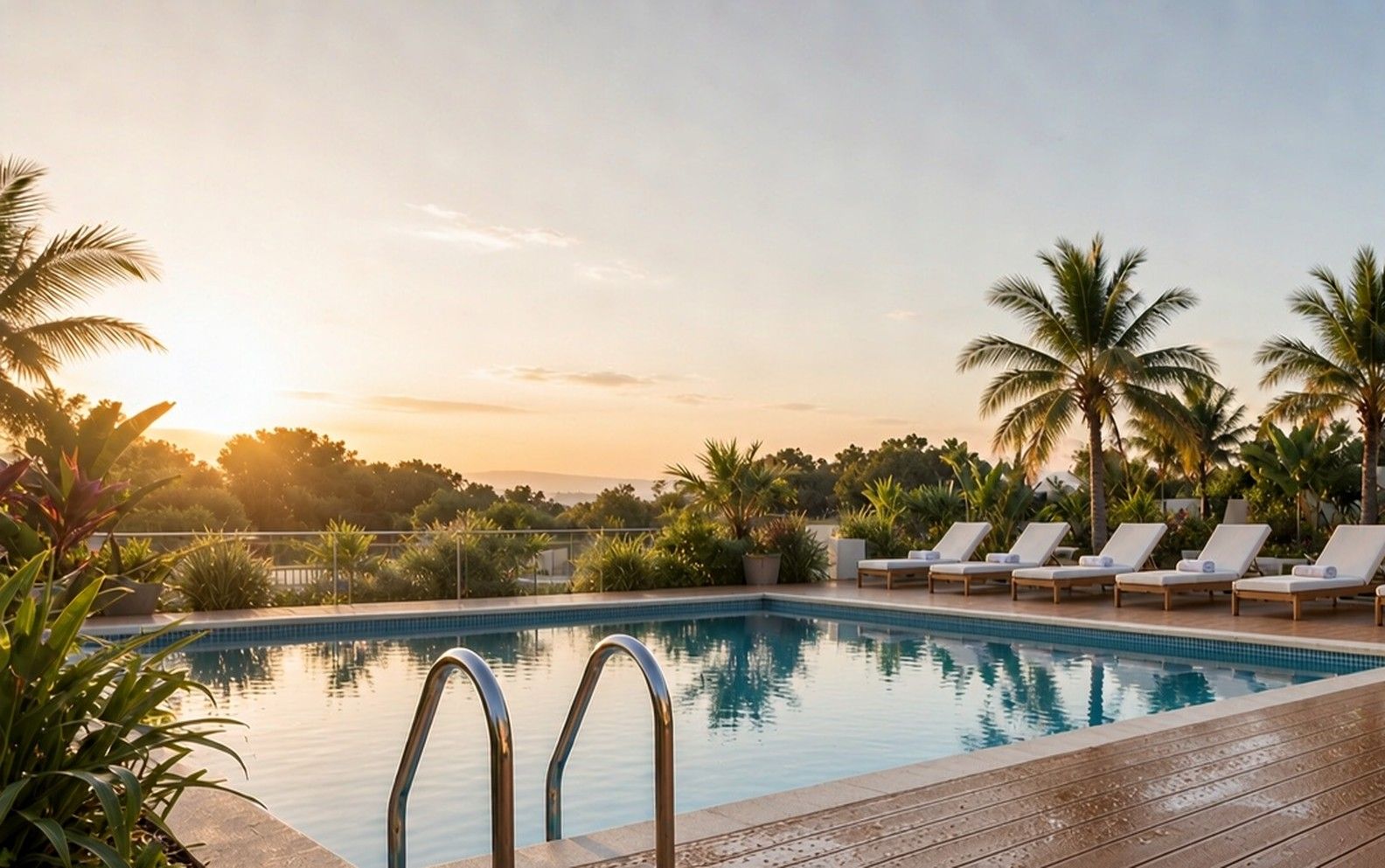
Corrosion-Resistant, Non-Slip WPC Decking from the Manufacturer: Waterproof, Custom-Size Boards for Wholesale Projects
21st September, 2026Corrosion-Resistant, Non-Slip WPC Decking from the Manufacturer: Waterproof, Custom-Size Boards for Wholesale Projects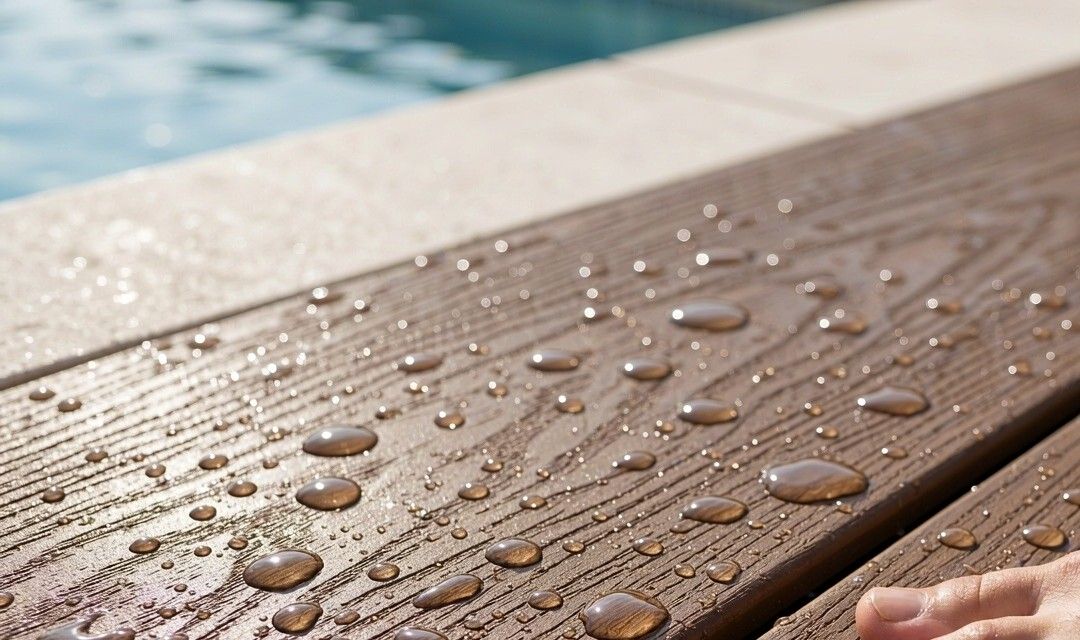
Meta Title: Corrosion-Resistant Non-Slip WPC Decking | Manufacturer & Factory Direct
Meta Description: Waterproof, corrosion-resistant, non-slip WPC decking direct from the manufacturer. Custom sizes, wholesale pricing, and reliable lead times for commercial projects — factory direct, no middleman.
Choosing decking for a pool deck, hotel terrace, or commercial walkway is a different exercise from specifying a residential patio. The surface has to survive chlorinated water, salt air, spilled drinks, constant foot traffic, and cleaning crews — and it has to stay safe when wet. That is why corrosion resistance and slip resistance sit at the top of every serious procurement checklist for high-traffic outdoor projects. This guide explains what those two properties actually mean in wood-plastic composite (WPC) decking, how to evaluate them, and what to confirm with a WPC decking manufacturer before placing a bulk order — and what a modern corrosion-resistant WPC decking system looks like in practice.
Why High-Traffic Projects Demand More From Decking
A private patio sees a few hours of use a day. A resort pool deck sees bare feet, sunscreen, chlorine splash, and furniture being dragged across boards from morning to night. A commercial boardwalk adds rain, coastal salt, and snow-melt de-icing salt into the mix. Under these conditions, three failure modes dominate:
- Corrosion and fastener failure: moisture and chlorides attack screws, clips, and any exposed metal in the substructure, eventually loosening boards.
- Slip accidents: wet smooth surfaces become liability exposure, especially around pools and in hospitality settings.
- Surface degradation: UV fade, staining from food and drinks, and abrasion from foot traffic make a deck look tired within a couple of seasons.
Materials that handle one or two of these rarely handle all three. That gap is where WPC decking has taken share from treated wood and bare composites in commercial specifications.
What "Corrosion-Resistant" Actually Means in WPC Decking
WPC boards blend wood fiber with polyethylene and additives, so the board itself does not rust or rot. But a deck is a system — boards, fasteners, and substructure — and corrosion typically starts at the metal, not the composite. When evaluating a corrosion-resistant WPC decking system, check four things:
- Board composition: quality boards use HDPE with UV stabilizers and minimal filler, so the surface will not absorb water or delaminate. Ask for water absorption figures — dense, well-extruded boards sit well under one percent.
- Fastener spec: stainless steel (A2 or, in coastal and pool environments, A4/316) clips and screws resist chloride attack. A supplier who ships premium boards with generic carbon-steel clips is saving cents and costing you the deck.
- Substructure: aluminum joist systems or WPC joists outlast galvanized steel in wet zones. For pool surrounds and coastal projects, confirm the substructure material explicitly.
- Co-extrusion option: capping the core with a polymer layer adds a stain- and moisture shield, which matters where food, drinks, and sunscreen meet the deck daily.
Slip Resistance: How to Evaluate It Properly
Slip resistance is measurable, not a matter of taste. Two checks matter in procurement:
- Surface texture: deep embossed wood grain and brushed finishes displace water underfoot. Polished or lightly textured boards are the ones that generate pool-deck complaints.
- Test data: ask manufacturers for slip test results — pendulum test value (PTV) or DIN 51130 ratings where available. For pool surrounds and hospitality walkways, specify boards tested for wet conditions, not just dry.
One practical note: grooved or fluted profiles channel water away and improve grip, but very deep grooves can be harder to clean. The best commercial installations balance texture depth against maintenance access — another reason to walk existing reference projects before committing to a profile.
The Maintenance Math for Commercial Buyers
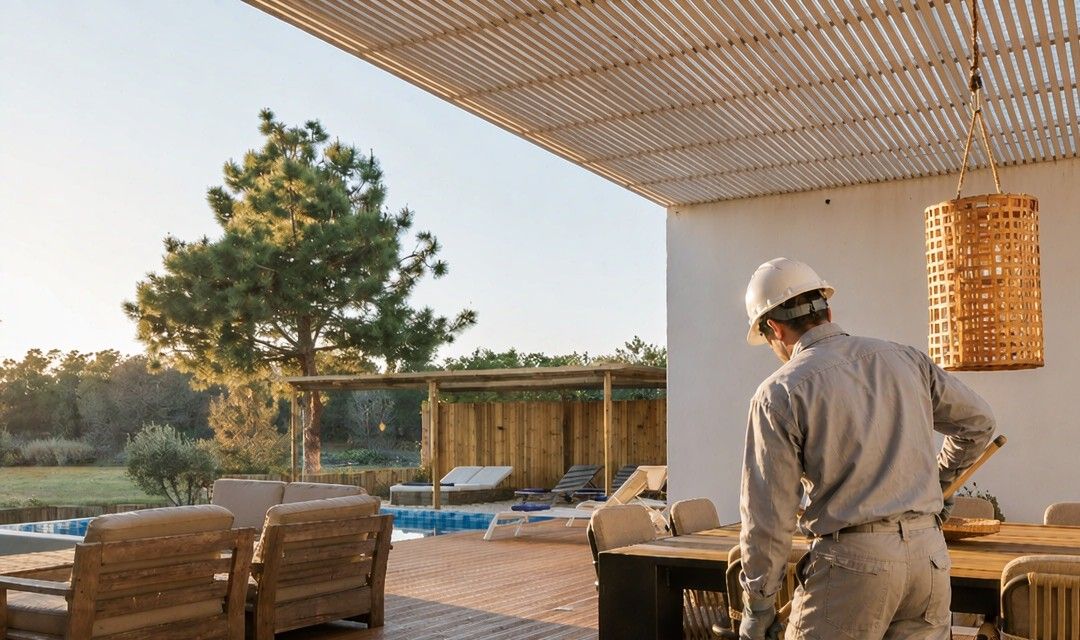
For a procurement team, the deck's real cost is installed cost plus lifetime upkeep. WPC's advantage is structural: no annual sealing or staining cycle, no rot replacement program, and cleaning with soap and water. Over a five-to-ten-year horizon, the calculation usually favors composite over treated timber even at a higher upfront price — and in wet, coastal, or high-UV locations, the gap widens further.
A quick comparison frame for stakeholder decks:
- Treated timber: lower upfront cost; annual sealing; splinter and rot replacement; higher lifetime labor.
- Uncapped WPC: moderate upfront; soap-and-water cleaning; occasional board replacement.
- Co-extruded WPC: higher upfront; stain and fade shield; lowest lifetime upkeep — the standard spec for hospitality and pool zones.
What to Confirm With a Manufacturer Before a Bulk Order
Because decking is a system, the strongest procurement positions come from manufacturers who control the whole chain. Five confirmations separate reliable partners from resellers:
- In-house extrusion capacity: factories that run their own closed-loop extrusion lines control density, profile consistency, and batch-to-batch color matching — critical when a phased project needs additional boards a year later.
- Raw material formulation transparency: wood fiber ratio, polymer grade, and UV stabilizer content should be documented, not described.
- Certifications: CE marking and third-party test reports (SGS or equivalent) for the specific product line, not just the company.
- Project references: photos and contacts for completed commercial installations in similar climates.
- Long-term supply ability: for multi-phase builds, confirm production capacity, lead times, and the ability to reproduce the same color and profile in future batches.
Working directly with an experienced WPC decking manufacturer compresses the confirmation process — factory audits, live production lines, and formulation documentation are all on the table, rather than folded into a trading company's promises.
Common Procurement Mistakes to Avoid
- Specifying boards without wet-condition slip data, then retrofitting coatings that void warranties.
- Mixing fastener metals with composite boards in coastal zones — galvanic corrosion follows.
- Ordering by price per square meter alone while ignoring substructure and fastener quality, which is where decks actually fail.
- Skipping batch color confirmation for phased projects, ending with a visibly two-tone deck.
Supply Chain: Packaging, Lead Times, and Custom-Size Production
For wholesale orders, the deck boards are only half the deliverable — the supply chain around them determines whether a project stays on schedule. Three areas deserve explicit attention:
- Protective packaging: quality manufacturers bundle boards with edge protection and waterproof wrapping, then crate or palletize for container shipping. Confirm packaging specs before shipment — dented edges and scuffed surfaces on arrival are a supplier-quality signal, not a shipping excuse.
- Lead time planning: standard profiles and colors typically ship faster than custom runs. For phased projects, sequence the order so standard boards arrive first and custom elements are scheduled with the factory's production calendar rather than against it.
- Custom-size and OEM production: beyond standard lengths, established manufacturers support custom board lengths, bespoke colors matched to project palettes, and private-label packaging. Custom runs usually carry minimum order quantities and longer lead times — confirm both in writing, along with the batch color-matching commitment for future reorders.
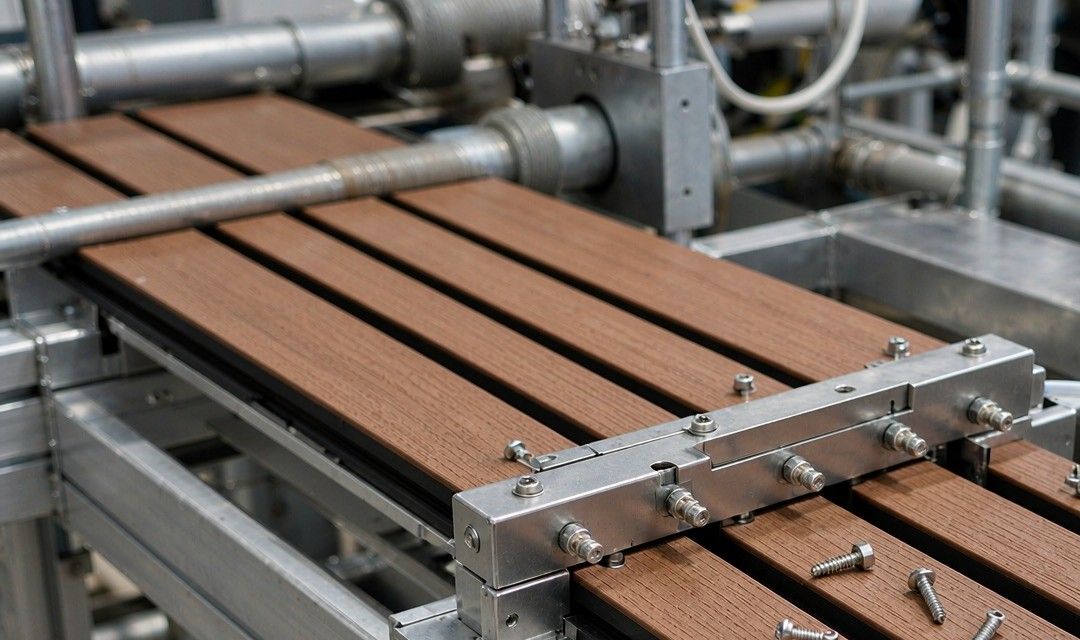
Buying factory direct makes these conversations simpler: packaging standards, production scheduling, and custom capabilities sit with one accountable party instead of being negotiated through layers of intermediaries.
Frequently Asked Questions
Does WPC decking corrode in pool environments?
The composite board itself does not rust or rot. Corrosion risk sits in fasteners and substructure, so specify stainless (preferably A4/316) hardware and aluminum or WPC joists for pools and coastal projects.
How slip-resistant is WPC decking when wet?
Deeply embossed and brushed profiles maintain grip under water. Request pendulum test (PTV) or DIN 51130 data for wet conditions when specifying pool surrounds and hospitality walkways.
Is co-extruded WPC worth the premium for commercial projects?
For zones with food, drinks, sunscreen, and heavy traffic, the capped layer's stain and fade resistance typically pays back through reduced upkeep and longer appearance life.
What should I ask a WPC decking manufacturer before ordering in bulk?
In-house extrusion capacity, documented formulation, line-specific certifications, commercial project references, and batch reproduction ability for phased builds.
How long does quality WPC decking last in high-traffic areas?
Well-formulated boards are engineered for decades of outdoor service; confirm expected service life and warranty terms for the specific product line rather than relying on generic claims.
The Bottom Line
For high-traffic projects, corrosion resistance and slip resistance are not optional extras — they are the specification. Evaluate the deck as a system, demand test data instead of adjectives, and confirm manufacturing depth before committing budget. Procurement teams that do these four checks consistently end up with decks that look and perform the same in year five as they did on opening day.
As an experienced WPC outdoor product manufacturer, NatureTough supplies corrosion-resistant, non-slip WPC decking and full substructure systems for commercial and residential projects worldwide.