Composite Fencing Manufacturer: 8 Checks Before Ordering Fence Panels in Bulk
10th October, 2026Composite Fencing Manufacturer: 8 Checks Before Ordering Fence Panels in Bulk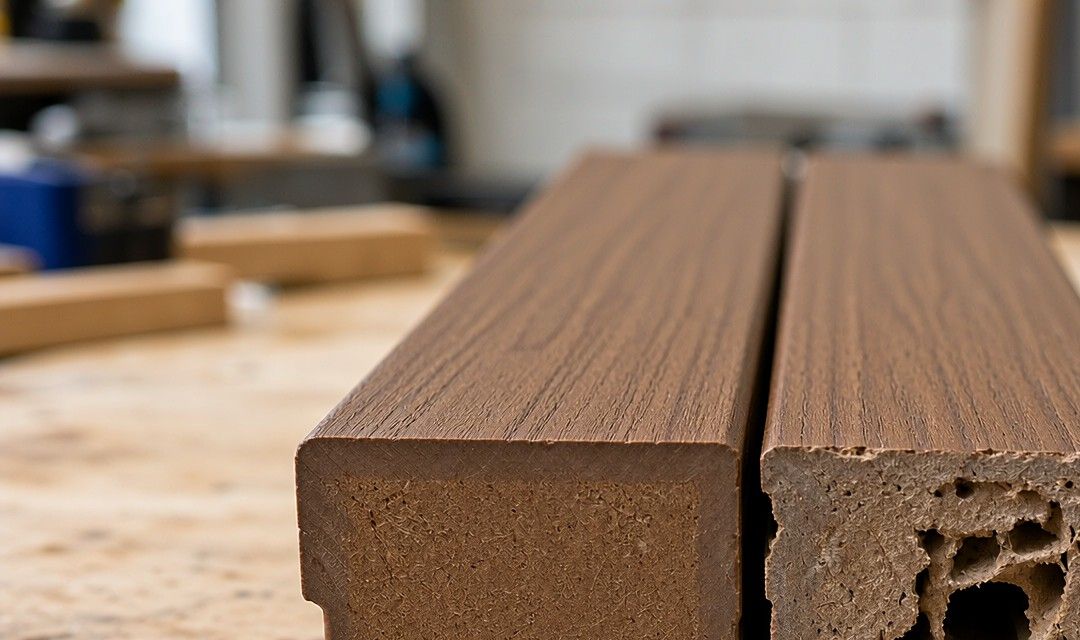
Bulk fence procurement is where good prices go to die quietly — split batches, fading colors, and late containers do more damage than any per-panel saving. Whether you are stocking a distribution yard or supplying a project, the manufacturer you choose determines the outcome. This guide lists the eight checks that matter before a bulk composite fencing order, and the evidence to demand for each.
Check 1: Fence System Design, Not Just Panels
A fence is a system: panels, posts, brackets, caps, and hardware engineered to lock together. Composite fencing manufacturers design the whole system:
- Profile compatibility: panels that match posts and brackets without field improvisation
- Wind-load logic: documented post spacing and mounting details for exposed sites
- Height options built in: 1200/1500/1800mm configurations from the same system, not mixed product lines
Mixed-system orders — panels from one factory, posts from another — are the leading cause of bulk fence failures.
Check 2: Material Formulation Disclosure
Fence panels live in full sun, rain, and ground contact. The formulation decides how they age:
- Polymer grade and wood fiber ratio, documented
- UV stabilizer package rated for outdoor exposure
- Water absorption figures for ground-contact components
Ask for the numbers, not adjectives. Manufacturers who run their own extrusion know their formulations precisely; sellers who do not will describe them vaguely.
Check 3: Color Batch Consistency for the Full Order
A bulk order split across production runs shows color seams instantly along a fence line. Demand:
- Single-run production for the full order where feasible
- Numerical batch color tolerance across runs when it is not
- A written commitment matching any reorders to the original shipment
Check 4: Hardware Corrosion Ratings
Fence hardware fails before panels do. For most bulk orders, hot-dip galvanized is the floor; for coastal or pool-adjacent installations, stainless steel (A4/316) brackets and fasteners are the correct specification. A manufacturer who ships premium panels with generic hardware is saving cents where it matters most.
Check 5: Packaging for Export and Yard Storage
[[IMG:3]]
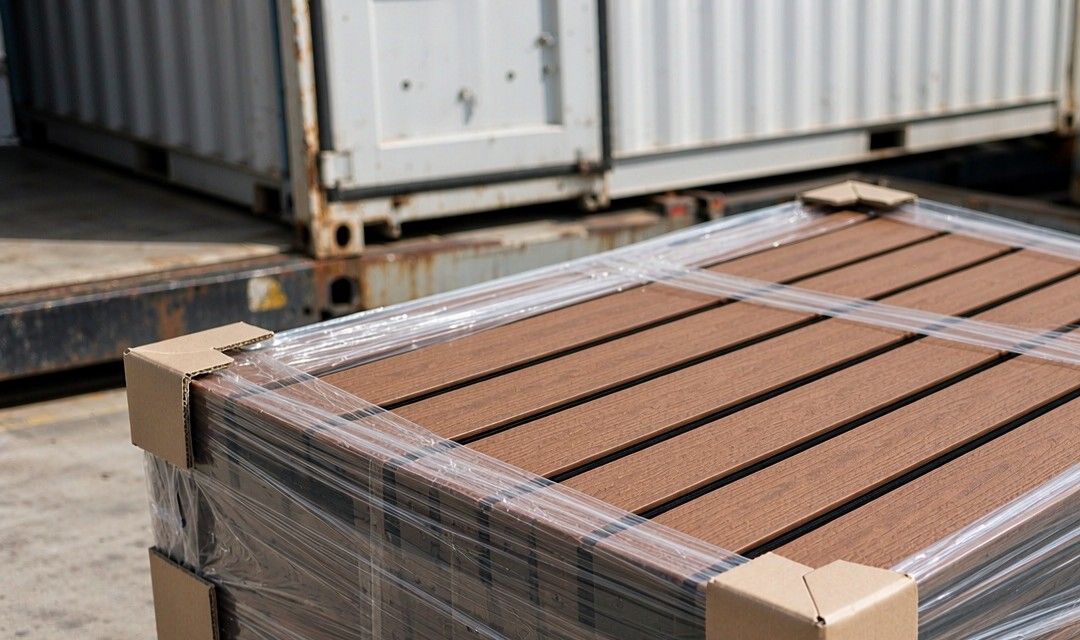
Bulk fencing spends months in transit and yard stock before installation:
- Edge protection and waterproof wrapping per bundle
- Palletization that survives container shipping and forklift handling
- Labeling that makes batch and color identification instant at your yard
Photographs of the actual export packaging — not stock photos — are a legitimate request.
Check 6: Third-Party Certifications Naming the Line
CE marking or regional equivalents, plus SGS-or-equivalent test reports for the specific fence line: mechanical properties, weathering, and where relevant, wind-load performance. Certificates that name only the company are decorative.
Check 7: Realistic Lead-Time Tables
Manufacturers quote production schedules; intermediaries quote hopes. Ask for:
- Standard line lead times vs custom color runs, in writing
- Current production calendar confirmation for your order size
- Mixed-container rules if you are combining fencing with decking or cladding
Check 8: Reference Installations That Have Survived Weather
Fencing is the outdoor product most exposed to wind, soil, and sprinklers. Ask for installations two or more years old in comparable climates, and look at the fence lines: straight? Color holding? Post bases clean? That is the manufacturer's real portfolio.
Frequently Asked Questions
What should a composite fencing manufacturer provide before a bulk order?
System documentation, formulation disclosure, batch color guarantees, hardware corrosion specs, export packaging photos, line-specific certifications, lead-time tables, and aged references.
How do I know fence panels will match across production runs?
Numerical batch tolerance plus a written single-run or matching commitment — verbal assurances do not survive a fence line.
What MOQ should I expect?
Manufacturers with continuous production support mixed containers (fencing plus other lines) at moderate minimums — ask for the mixed-container option to test volume without overstocking one SKU.
Is stainless hardware necessary?
For coastal, poolside, and high-humidity installations, yes — A4/316 brackets and fasteners. For inland residential stock, quality galvanized is acceptable.
The Bottom Line
Bulk fence buying rewards documentation over negotiation. The eight checks above take a week to demand and verify — and they prevent the year-long headaches of split batches, corroded hardware, and mismatched reorders. Manufacturers with their own lines answer all eight in specifics; anyone who answers in estimates is telling you what they are.
As an experienced WPC outdoor product manufacturer, NatureTough manufactures complete composite fencing systems — panels, posts, and hardware engineered together, with batch-consistent export packaging and documented test data — explore the fencing range.