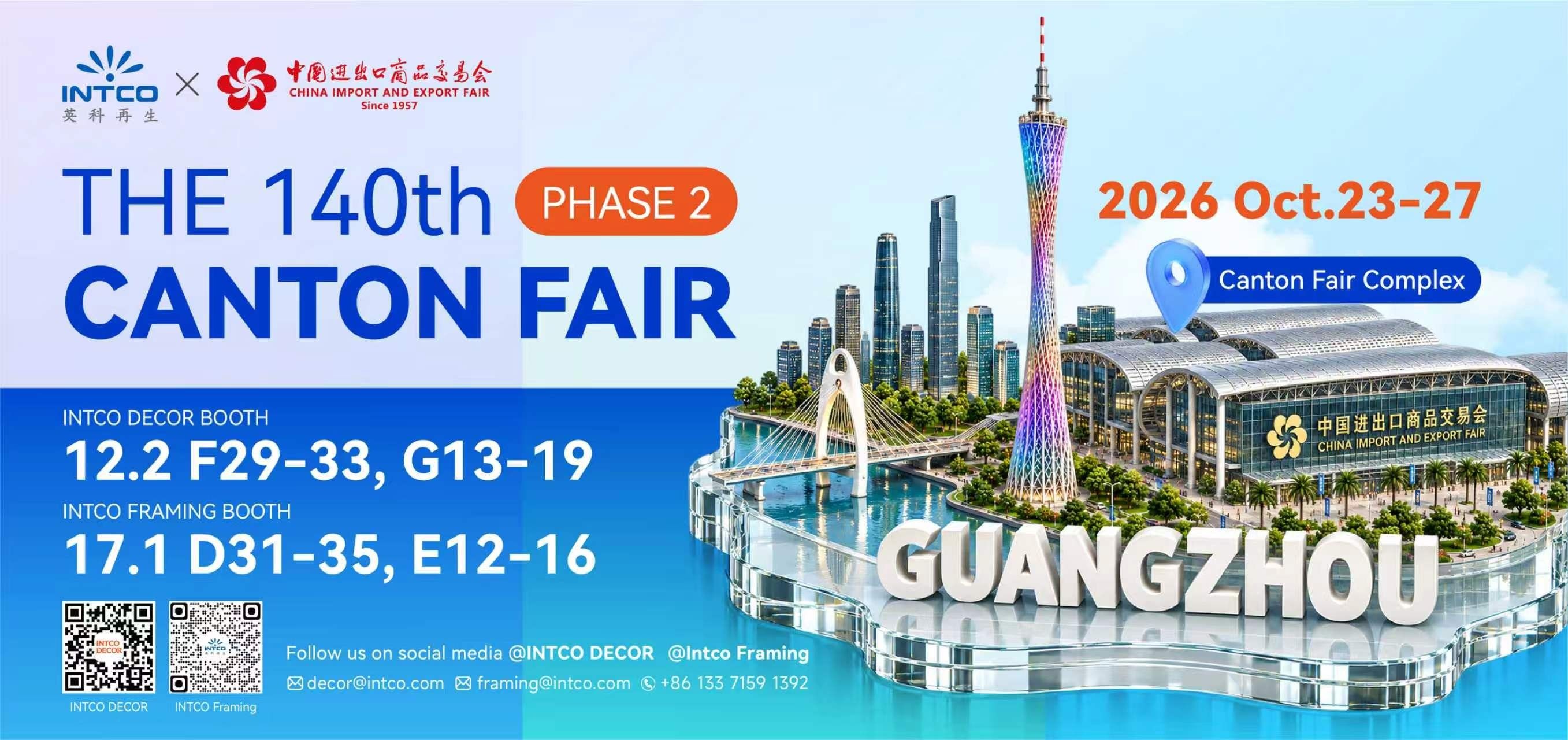
Canton Fair 2026: The International Buyer's Guide to Sourcing Building Materials
14th October, 2026Canton Fair 2026: The International Buyer's Guide to Sourcing Building Materials
Twice a year, Guangzhou becomes the center of the global sourcing calendar. The Canton Fair — the China Import and Export Fair — gathers tens of thousands of exhibitors across three phases, and for building materials and outdoor product buyers, it remains the single most efficient week of supplier discovery anywhere. This guide covers what international buyers need for the October 2026 session: how the phases map to product categories, how to vet suppliers on the exhibition floor, and how to turn fair conversations into factory-verified partnerships.
How the October Session Is Organized
The fair runs mid-October through early November in three phases, each with its own product focus:
- Phase 1 is where structural building materials buyers start: construction and decorative materials, hardware, and machinery share the halls with electronics
- Phase 2 is where outdoor living and decorative building products concentrate: wall panels, home decoration, and consumer-facing outdoor categories — for buyers sourcing wood-plastic composite cladding, panels, and finished outdoor products, this is the phase to plan around
- Phase 3 covers textiles, footwear, office supplies, and medical devices
Verify the current phase schedule on the official Canton Fair site when planning travel — phase-category assignments occasionally adjust between sessions, and your badge registration should match the phase where your products are exhibited.
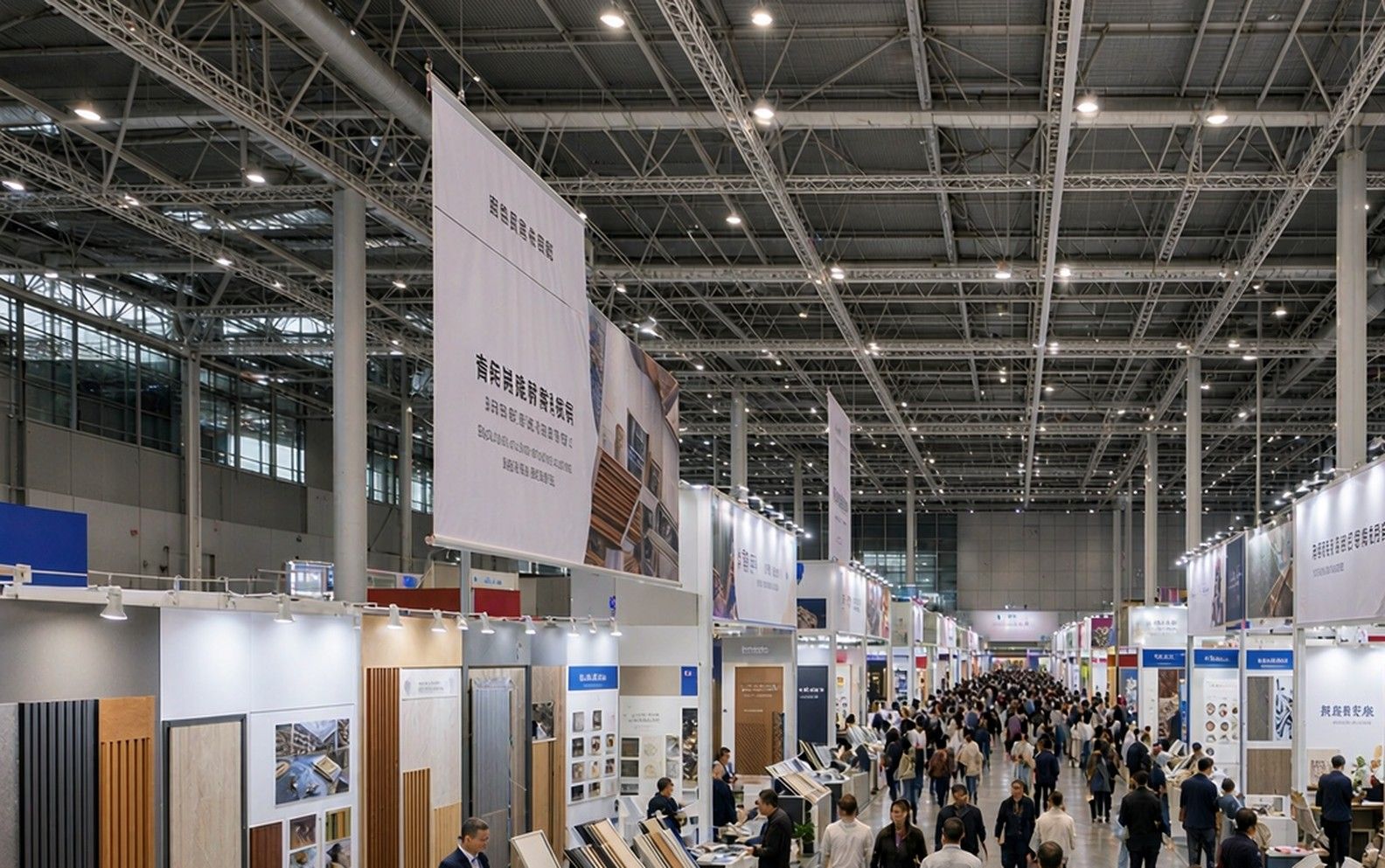
Where to Find Us: INTCO at Phase 2 (Oct 23–27)
The NatureTough team exhibits with the INTCO group in Phase 2:
- INTCO Decor Booth: 12.2, F29–33 & G13–19 — wall cladding and decorative panel lines
- INTCO Framing Booth: 17.1, D31–35 & E12–16 — moulding and framing collections
Bring your sourcing brief and sample requirements — our product and technical teams will be at both booths throughout the phase, and factory visits in the region can be arranged for after the fair.
Why Serious Buyers Still Go in Person
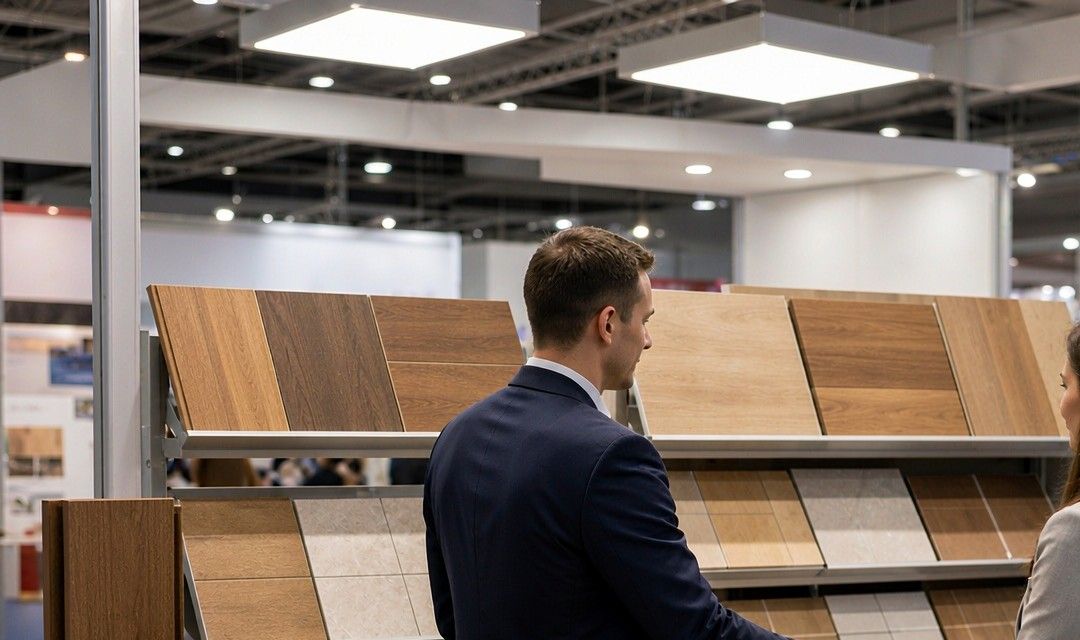
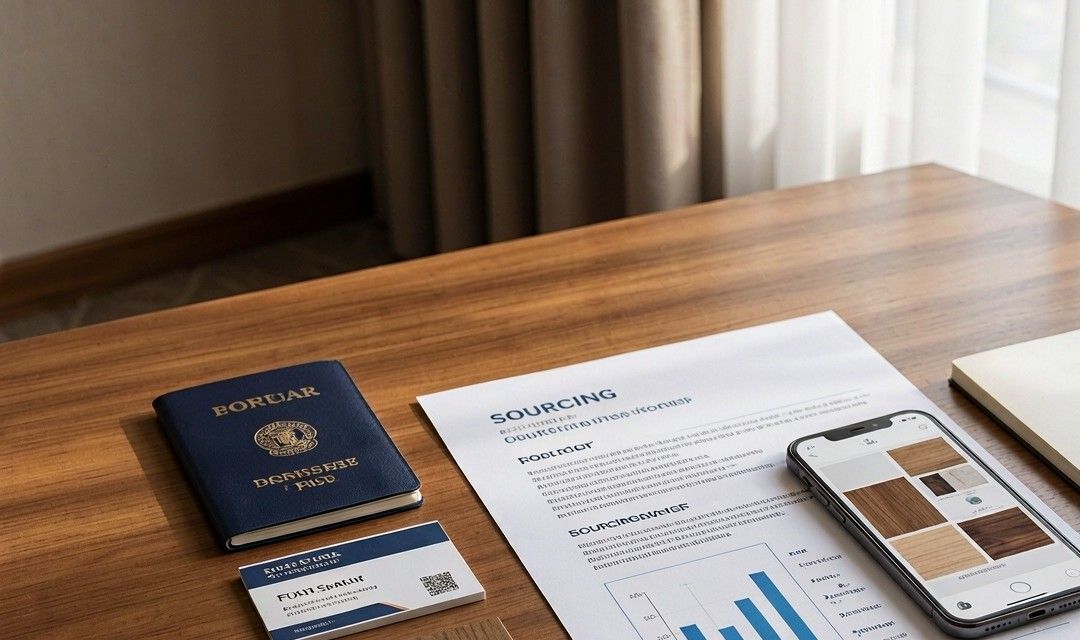
Digital sourcing has made supplier discovery easy — and verification hard. Everyone has a polished website; not everyone has a factory. The fair compresses what would take months of video calls into days of face-to-face comparison:
- You meet the people who actually make decisions, not just sales chat windows
- You touch materials, compare finishes side by side, and see product ranges that never make it onto websites
- You read how teams handle hard questions — MOQ flexibility, certifications, lead times — in real time
- Hall proximity clusters competitors within walking distance, so benchmarking is immediate
Five On-Site Vetting Moves That Separate Factories from Traders
The fair floor rewards preparation. Five checks that travel well:
1. Ask where the factory is, then watch the answer. Manufacturers describe production cities, lines, and capacity with specifics. Traders describe "partner factories" with vagueness. Follow up with: "Can we visit after the fair?" — manufacturers say yes on the spot.
2. Request line-specific certification. Not a company brochure — the CE or regional certificate that names the exact product line you are discussing. Booths run by factories have the documents on hand or in a folder behind the counter.
3. Discuss batch consistency, not just price. The gap between a good quote and a good supplier shows in answers about batch color tolerance, reorder matching, and packaging. Manufacturers answer from production experience; intermediaries estimate.
4. Photograph everything — samples, business cards, booth numbers. After three halls, every booth blends together. A structured photo record is what turns fair conversations into a follow-up plan.
5. Negotiate the factory visit into the fair week. The Pearl River Delta is one of the world's densest manufacturing regions — many exhibitors' plants are within a few hours of the fairground. Buyers who combine the fair with two or three factory audits routinely return home with verified shortlists.
For a deeper vetting framework you can bring to meetings — extrusion lines, documentation packages, and reference checks — our guides on vetting outdoor product manufacturers apply to any category you source.
What to Bring and What to Ask
[[IMG:4]]
Preparation that pays for itself:
- A one-page sourcing brief: categories, target specifications, annual volumes, and destination markets — hand it over instead of describing it
- Your quality non-negotiables written down: certifications, testing standards, and compliance requirements for your market
- Questions that reveal depth: "What is your water absorption figure for this line?" beats "Is it waterproof?"
After the Fair: Converting Contacts into Partnerships
The fair's real work starts when you fly home:
- Within a week: consolidate notes, photos, and cards into a ranked shortlist
- Sample stage: request pre-production samples from the top two or three suppliers, not just catalogs
- Verification stage: third-party audits or factory visits for finalists before any deposit
- Contract stage: batch consistency clauses, quality standards with remedy timelines, and supply continuity terms in writing
Buyers who follow this funnel treat the Canton Fair as what it truly is — the world's largest first-date venue for sourcing relationships. The commitments still happen afterward, in the factory.
Frequently Asked Questions
Which Canton Fair phase covers building materials?
Phase 1 of the October session — construction and decorative materials, hardware, and machinery. Confirm current assignments on the official site when registering.
Can you visit factories during the Canton Fair?
Yes — many exhibitors' plants are within a few hours of the fairground, and serious manufacturers welcome audits during or right after the fair week.
How do I verify an exhibitor is a manufacturer, not a trading company?
Ask for factory location specifics, line-named certifications, and a visit commitment — manufacturers answer with documents and dates; traders answer with generalities.
What should I bring as an international buyer?
A one-page sourcing brief, written quality requirements, and a system for photographing samples and booth details — the fair is too large for memory-based follow-up.
How fast should I follow up after the fair?
Within one week for consolidation, samples from the top 2-3 candidates, and audits before deposits — speed separates buyers who close from buyers who queue.
The Bottom Line
The Canton Fair compresses months of supplier discovery into days — but it is the starting line, not the finish. Vet on the floor with specifics, visit the factories, and contract in writing. Do that, and one week in Guangzhou can supply a year of your category strategy.
As an experienced outdoor building material manufacturer, the NatureTough team welcomes buyer meetings during the fair week and factory visits afterward — contact us to arrange a meeting and see production lines first-hand.